Plastic products are used in nearly every industry, from automotive and healthcare to consumer goods, electronics, packaging, and construction. Behind the production of these components are Plastic Molding Machines, which play a vital role in shaping raw plastic materials into precise and repeatable products.
These machines help manufacturers achieve high-volume production, consistent quality, and efficient processing across a wide range of applications.
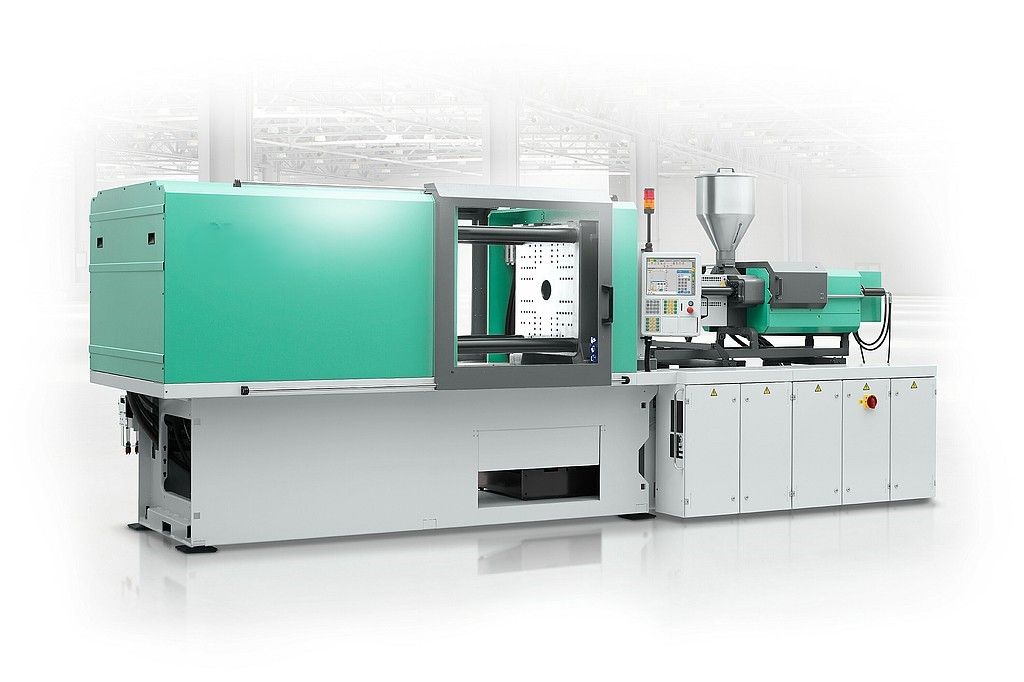
As manufacturing technologies continue to advance, plastic molding systems are becoming more automated, energy-efficient, and capable of producing increasingly complex designs. Understanding how plastic molding machines work can help manufacturers, engineers, and production teams make informed decisions regarding equipment selection, production planning, and process optimization.
Note: Machine specifications, molding processes, production capacities, and material compatibility vary by manufacturer, application, and industry requirements. This article is intended for educational purposes only.
What Are Plastic Molding Machines?
Plastic Molding Machines are industrial systems used to shape plastic materials into finished products through controlled heating, molding, and cooling processes. These machines transform plastic resins or polymers into components with specific sizes, shapes, and performance characteristics.
Plastic molding technology is commonly used for:
Consumer products
Automotive components
Medical devices
Packaging materials
Electrical housings
Industrial parts
Construction products
Household items
The type of molding machine used depends on the product design and production requirements.
Why Plastic Molding Machines Matter
Manufacturers rely on molding technology to support efficient production and product consistency.
Potential benefits include:
High-volume production capability
Consistent product quality
Precision manufacturing
Reduced material waste
Repeatable production processes
Support for complex part designs
Improved production efficiency
Scalability for industrial operations
Actual performance depends on machine configuration, material selection, and process control.
Common Types of Plastic Molding Machines
Several molding technologies are used across manufacturing industries.
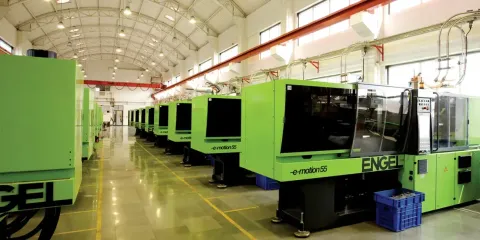
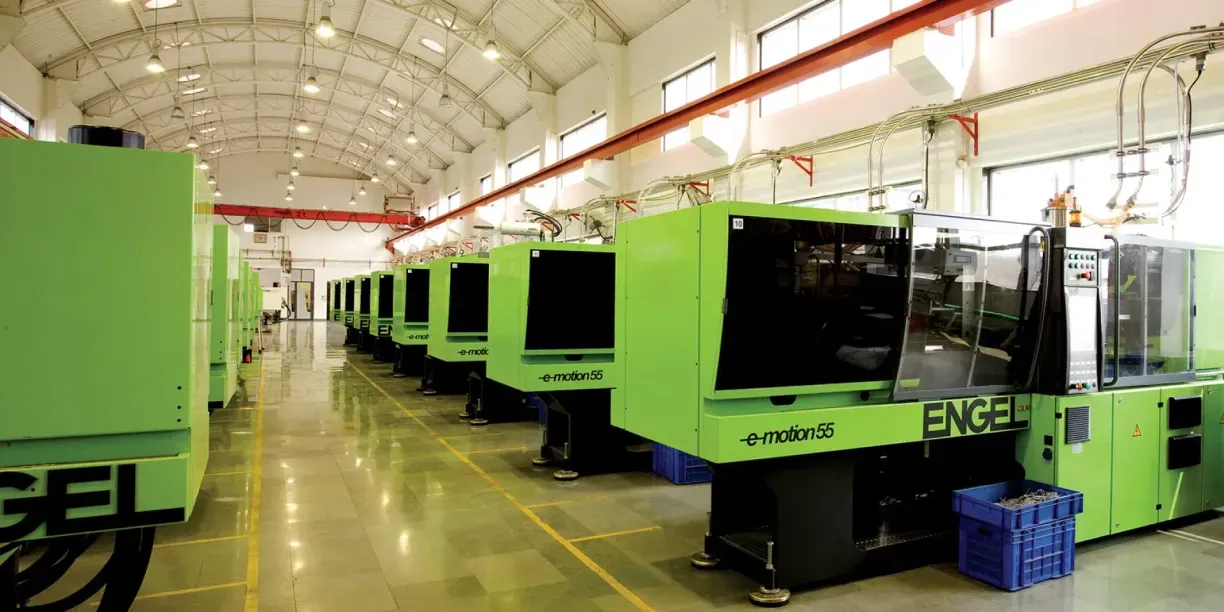
Injection Molding Machines
One of the most widely used molding methods for producing detailed plastic components.
Blow Molding Machines
Commonly used for producing hollow plastic products such as bottles and containers.
Compression Molding Machines
Utilized for shaping materials through pressure and heat within a mold cavity.
Rotational Molding Machines
Designed to create large hollow products with uniform wall thickness.
Extrusion Molding Systems
Used to manufacture continuous plastic profiles, tubing, and sheets.
Each process offers unique advantages depending on production goals.
How Plastic Molding Machines Work
Although processes vary, most molding operations follow a similar workflow.
Material Preparation
Plastic raw materials are prepared according to production requirements.
Heating Process
Materials are heated to a suitable processing temperature.
Mold Filling
The material is introduced into a mold cavity.
Cooling Phase
The product cools and solidifies into the desired shape.
Product Removal
The finished component is removed and prepared for inspection or further processing.
Process control is essential for maintaining quality and consistency.
Industries Using Plastic Molding Machines
Plastic molding technology supports many industrial sectors.
Automotive Manufacturing
Produces interior, exterior, and functional vehicle components.
Healthcare and Medical Devices
Supports the production of medical equipment and disposable products.
Consumer Goods
Manufactures everyday products used in homes and businesses.
Packaging Industry
Creates containers, packaging materials, and protective solutions.
Electronics Industry
Produces housings, connectors, and electronic component parts.
Construction Sector
Supports the production of pipes, fittings, panels, and structural products.
Each industry has unique performance and regulatory requirements.
Key Factors When Selecting Plastic Molding Equipment
Organizations often evaluate several considerations before investing in machinery.
Important factors include:
Production volume requirements
Material compatibility
Product complexity
Machine capacity
Energy efficiency
Automation capabilities
Maintenance requirements
Quality control needs
Selecting the appropriate equipment helps improve operational efficiency.
Plastic Molding Machine Overview
| Machine Type | Primary Application |
|---|---|
| Injection Molding Machine | Precision component manufacturing |
| Blow Molding Machine | Hollow product production |
| Compression Molding Machine | Heat and pressure forming |
| Rotational Molding Machine | Large hollow products |
| Extrusion System | Continuous plastic profiles |
| Automated Molding Cell | High-volume production support |
Automation in Plastic Manufacturing
Automation is becoming increasingly important in modern production environments.
Examples include:
Robotic material handling
Automated quality inspection
Smart process monitoring
Digital production tracking
Predictive maintenance systems
Automated mold changes
Production analytics platforms
Real-time equipment monitoring
These technologies help improve productivity and operational visibility.
Sustainability and Resource Efficiency
Manufacturers are increasingly focusing on environmental responsibility.
Current initiatives include:
Material recycling programs
Waste reduction strategies
Energy-efficient equipment
Process optimization technologies
Resource management systems
Sustainable material development
Reduced emissions initiatives
Circular manufacturing practices
Sustainability goals continue to influence equipment design and manufacturing processes.
Current Trends in Plastic Molding Technology
The industry continues to adopt advanced manufacturing solutions.
Recent developments include:
Industry 4.0 integration
Artificial intelligence-assisted process control
Smart factory connectivity
Advanced mold design technologies
Cloud-based manufacturing analytics
Automated quality assurance systems
Digital twin technology
Energy management platforms
These innovations support improved efficiency and production performance.
Looking Ahead
The future of Plastic Molding Machines is expected to include greater automation, advanced process intelligence, enhanced sustainability initiatives, and deeper integration with smart manufacturing ecosystems. As production requirements become more complex, molding technologies will continue evolving to support precision, efficiency, and scalability.
Why Understanding Plastic Molding Machines Matters
Understanding Plastic Molding Machines helps manufacturers and production teams evaluate equipment, improve operational efficiency, and optimize manufacturing processes. Knowledge of molding technologies supports informed decisions regarding production planning and long-term operational development.
Conclusion
Plastic Molding Machines are essential tools in modern manufacturing, enabling the efficient production of plastic components across a wide range of industries. Through technologies such as injection molding, blow molding, compression molding, and extrusion, manufacturers can achieve high-quality, repeatable production at scale. As automation, digitalization, and sustainability continue to shape industrial operations, plastic molding machines will remain a critical part of global manufacturing systems.