The automotive industry is undergoing a significant transformation as electric vehicles become increasingly common on roads around the world. Improvements in battery technology, charging infrastructure, and vehicle design are helping shape a new era of transportation.
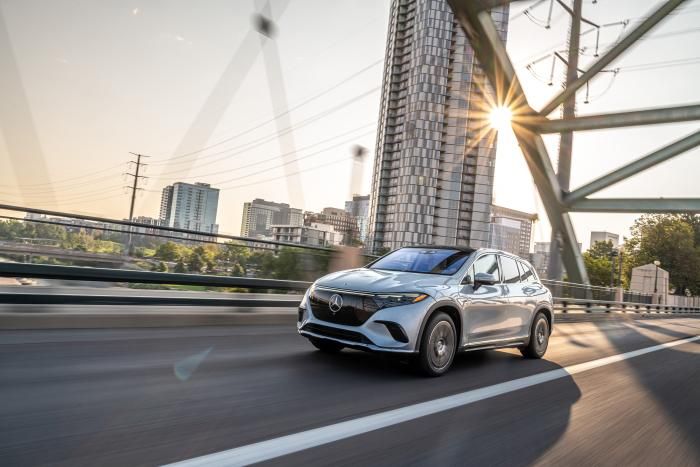
Among the vehicles contributing to this shift is the Mercedes-Benz EQS SUV, an all-electric luxury sport utility vehicle designed to combine advanced technology, comfort, and sustainable mobility.
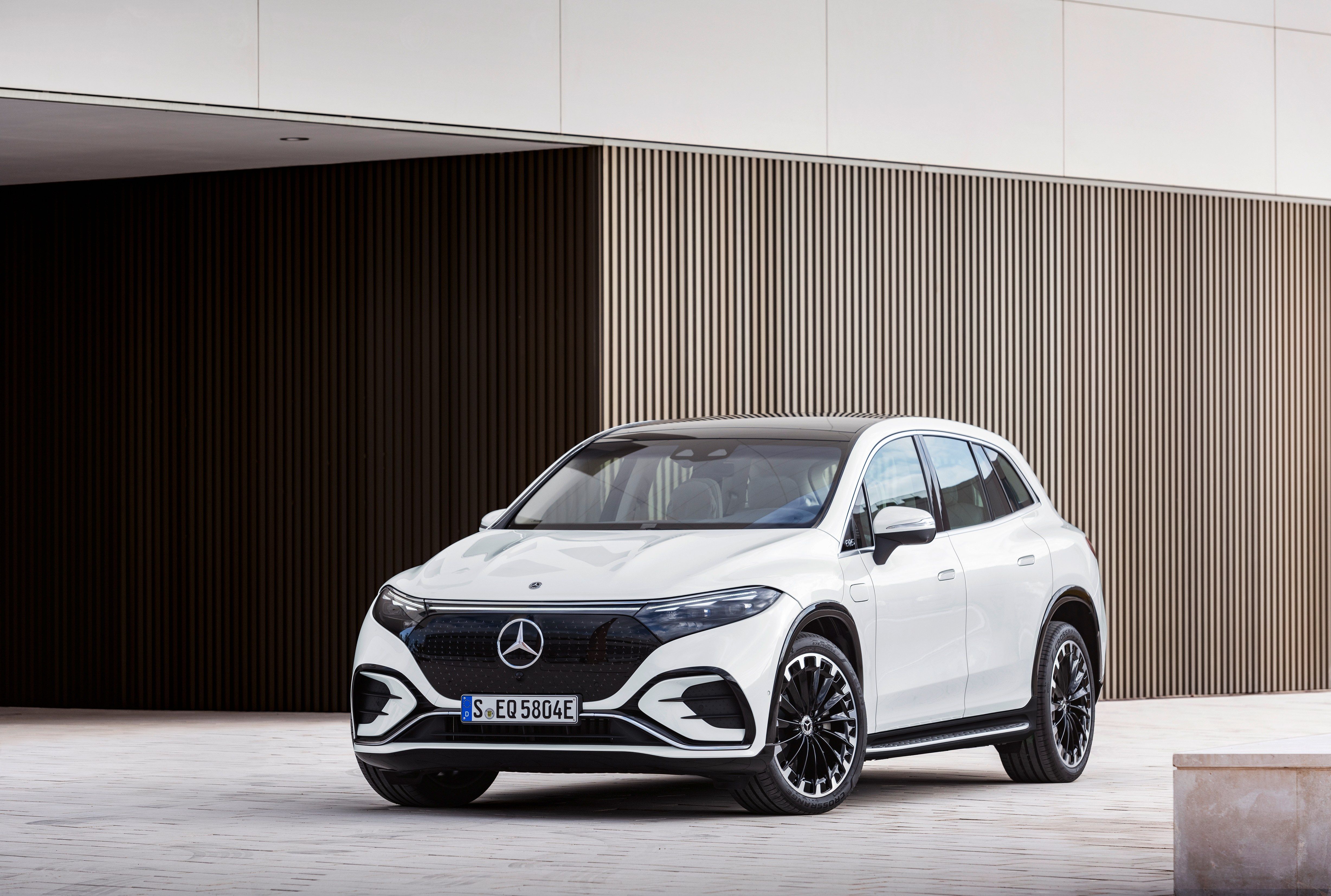
As consumer interest in electric mobility continues to grow, many drivers are exploring how premium electric SUVs compare with traditional vehicles. The Mercedes-Benz EQS SUV represents an example of how manufacturers are adapting luxury vehicle concepts to meet evolving transportation needs.
This guide explores the Mercedes-Benz EQS SUV, its features, technology, design philosophy, driving experience, and its role in the future of electric luxury mobility.
Understanding the Mercedes-Benz EQS SUV
The Mercedes-Benz EQS SUV is an electric sport utility vehicle developed as part of the company's EQ electric vehicle lineup. It combines the spacious design typically associated with SUVs and the advanced electric technology found in modern battery-powered vehicles.
Unlike conventional vehicles powered by internal combustion engines, the EQS SUV operates entirely on electricity stored in a large battery pack. Electric motors convert stored energy into motion, providing a quiet and smooth driving experience.
The vehicle is designed to support daily commuting, long-distance travel, family transportation, and professional mobility needs.
The Growing Shift Toward Electric Mobility
Electric vehicles have become an important part of transportation discussions worldwide.
Several factors contribute to this trend:
Advancements in battery technology
Expanding charging infrastructure
Interest in reducing emissions
Improvements in vehicle efficiency
Increased consumer awareness of electric transportation
Vehicles such as the Mercedes-Benz EQS SUV demonstrate how electric technology is being incorporated into premium automotive segments.
Exterior Design and Styling
One of the notable characteristics of the Mercedes-Benz EQS SUV is its modern design approach.
Aerodynamic Shape
Electric vehicles often prioritize aerodynamic efficiency to help maximize driving range.
The EQS SUV features smooth body lines and carefully shaped surfaces that contribute to efficient airflow.
SUV Proportions
The vehicle maintains the elevated driving position and spacious proportions commonly associated with sport utility vehicles.
This design supports:
Comfortable entry and exit
Improved road visibility
Additional interior space
Flexible passenger accommodation
Lighting Technology
Advanced lighting systems contribute to both functionality and visual appeal.
Many modern electric vehicles use distinctive lighting designs that help establish a unique identity on the road.
Interior Comfort and Cabin Experience
The interior of the Mercedes-Benz EQS SUV focuses on comfort, technology integration, and passenger convenience.
Spacious Seating
The vehicle is designed to provide generous seating space for passengers.
Depending on the configuration, the SUV can accommodate multiple occupants comfortably during both short and long journeys.
Premium Materials
Manufacturers increasingly focus on creating refined cabin environments using carefully selected materials and modern design elements.
Quiet Cabin Environment
Electric powertrains generally produce less mechanical noise than traditional engines.
This contributes to a calmer driving experience, particularly during highway travel.
Cargo Capacity
The SUV layout provides flexibility for luggage, shopping, travel equipment, and daily transportation needs.
Electric Powertrain Technology
At the heart of the Mercedes-Benz EQS SUV is its electric powertrain system.
Battery System
The battery stores electrical energy used to power the vehicle.
Modern battery technology helps support:
Extended driving capability
Efficient energy management
Reliable performance
Electric Motors
Electric motors provide immediate torque delivery, resulting in smooth acceleration.
Unlike traditional engines, electric motors deliver power with minimal delay.
Regenerative Braking
Regenerative braking captures energy during deceleration and returns it to the battery.
This process can improve overall energy efficiency.
Driving Experience
Many drivers are curious about how electric SUVs compare to conventional vehicles.
Smooth Acceleration
Electric motors provide consistent power delivery that contributes to responsive acceleration.
Reduced Noise Levels
The absence of a traditional combustion engine creates a quieter driving environment.
Comfortable Ride Quality
The Mercedes-Benz EQS SUV is designed to balance ride comfort and vehicle stability.
Enhanced Driver Assistance
Modern driver-assistance technologies support safer and more convenient driving experiences.
These systems may assist with:
Lane positioning
Traffic monitoring
Parking support
Adaptive speed management
Technology Features
Technology plays a significant role in the overall experience of the Mercedes-Benz EQS SUV.
Digital Displays
Large digital screens provide access to vehicle information, navigation, and entertainment functions.
Connectivity
Modern vehicles increasingly support smartphone integration and connected vehicle features.
Navigation Systems
Navigation technology helps drivers plan routes and locate charging stations.
Voice Controls
Voice-command capabilities allow drivers to interact with vehicle functions while maintaining focus on the road.
These technologies contribute to a more intuitive driving experience.
Charging and Daily Use
Charging is one of the most important considerations for electric vehicle owners.
Home Charging
Many drivers charge their vehicles at home during overnight hours.
Public Charging Networks
Public charging stations continue expanding in many regions.
These stations support:
Urban travel
Highway journeys
Long-distance transportation
Charging Planning
Navigation systems often help drivers identify suitable charging locations along planned routes.
As charging infrastructure continues to grow, electric vehicle ownership becomes more practical for a wider range of drivers.
Safety Considerations
Safety remains an important focus in modern vehicle design.
The Mercedes-Benz EQS SUV incorporates various safety technologies intended to support driver awareness and occupant protection.
Examples include:
Collision monitoring systems
Driver assistance technologies
Stability control systems
Advanced sensor integration
These technologies complement traditional vehicle safety engineering.
Environmental Considerations
Electric vehicles are frequently discussed within broader sustainability conversations.
Reduced Tailpipe Emissions
Electric vehicles do not produce tailpipe emissions during operation.
Energy Efficiency
Electric powertrains can convert energy into motion more efficiently than traditional combustion systems.
Sustainable Transportation Goals
Many regions are encouraging the adoption of lower-emission transportation technologies.
Vehicles like the Mercedes-Benz EQS SUV contribute to ongoing developments in sustainable mobility.
The Future of Electric Luxury Vehicles
Luxury vehicle manufacturers continue investing in electric mobility.
Several trends are shaping the future of electric luxury transportation:
Improved Battery Technology
Advancements may support longer driving ranges and faster charging.
Expanded Charging Infrastructure
More charging locations are expected to improve convenience for drivers.
Smart Vehicle Integration
Future vehicles will likely feature enhanced connectivity and intelligent software systems.
Sustainable Design Approaches
Manufacturers increasingly explore environmentally conscious materials and production methods.
These developments indicate that electric luxury vehicles will continue evolving in the coming years.
Conclusion
The Mercedes-Benz EQS SUV represents a significant step in the evolution of electric luxury transportation. By combining advanced electric technology, spacious SUV design, modern connectivity, and passenger comfort, it reflects how premium mobility is changing in response to new transportation trends.
As electric vehicle technology continues to advance, models such as the Mercedes-Benz EQS SUV demonstrate how innovation can support both driving enjoyment and sustainable mobility objectives. Whether viewed from a technology, environmental, or automotive perspective, the EQS SUV highlights the growing role of electric vehicles in shaping the future of transportation.