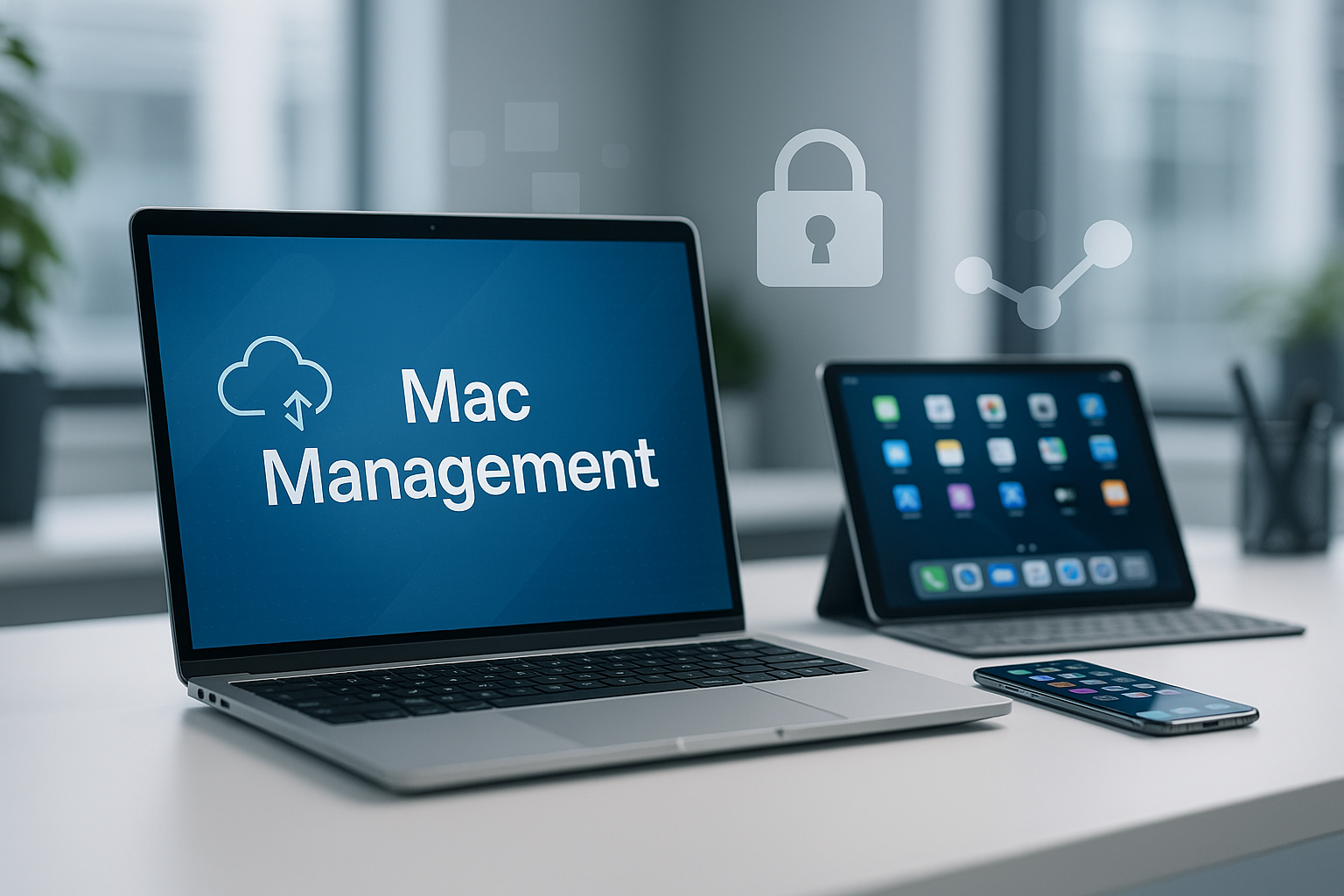
Mac Management refers to the process of organizing, monitoring, and maintaining Apple Mac computers to ensure they operate efficiently and securely. It includes tasks such as software updates, device configuration, security settings, data management, and performance monitoring.
The need for Mac Management grew as Apple devices became widely used in workplaces, educational institutions, and personal environments. Initially, managing a few devices could be handled manually, but as the number of devices increased, centralized management approaches became necessary.
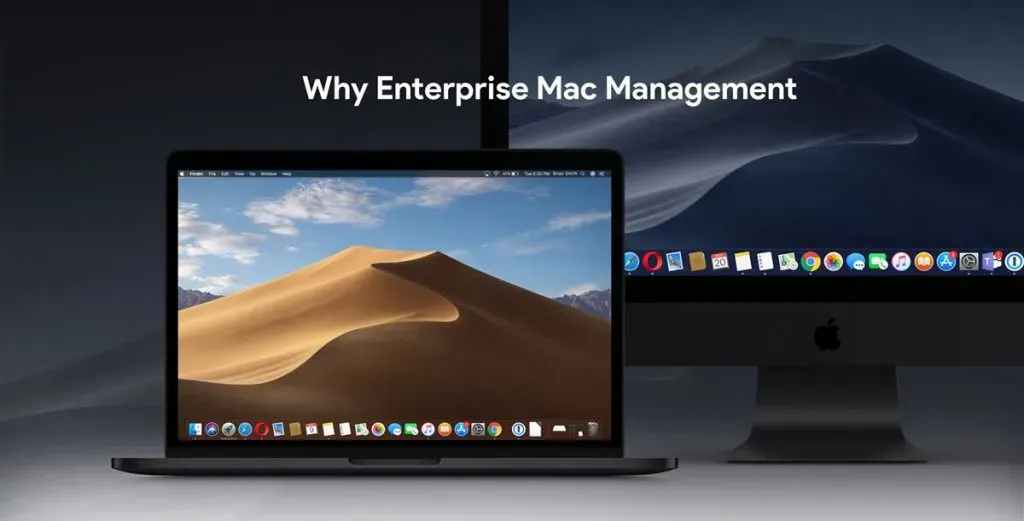
Mac Management involves both manual and automated methods. Individual users may manage their devices through system settings, while organizations often use centralized tools to control multiple devices from a single platform. These tools help standardize configurations and maintain consistency across systems.
Today, Mac Management plays a key role in ensuring that devices function smoothly, remain secure, and support productivity in both personal and professional settings.
Importance
Mac Management is important because it helps maintain device performance, security, and usability. Without proper management, devices may experience issues such as slow performance, outdated software, or security vulnerabilities.
One key benefit is improved performance. Regular updates, storage management, and system optimization help keep devices running efficiently. This ensures that applications function properly and reduces the likelihood of system errors.
Another important aspect is security. Proper management includes setting up security features, managing permissions, and protecting data from unauthorized access.
Mac Management addresses several common challenges:
- Keeping software up to date, by ensuring timely installation of system and application updates.
- Managing storage space, by organizing files and removing unnecessary data.
- Protecting sensitive information, through encryption and access controls.
- Maintaining device consistency, especially in environments with multiple users or devices.
For everyday users, effective Mac Management leads to smoother device operation and fewer technical issues.
Recent Updates
Recent developments in Mac Management reflect advancements in operating systems, cloud integration, and device management tools. One noticeable trend is the increased use of Mobile Device Management (MDM) solutions. These systems allow organizations to manage multiple Mac devices remotely.
Another trend is the integration of cloud-based management platforms. These platforms enable administrators to configure settings, deploy updates, and monitor devices from different locations.
Security features have also improved. Newer systems include enhanced privacy controls, better encryption methods, and more detailed permission settings for applications.
Automation is becoming more common as well. Tasks such as software updates, configuration changes, and compliance checks can now be performed automatically, reducing manual effort.
There is also growing support for cross-device integration. Mac Management tools can now work alongside other Apple devices, creating a unified ecosystem for managing multiple platforms.
Laws or Policies
Mac Management is influenced by laws and policies related to data protection, cybersecurity, and organizational IT practices. These regulations ensure that devices are managed responsibly and that user data is protected.
In India, the Digital Personal Data Protection Act outlines how personal data should be collected, stored, and processed. Organizations managing Mac devices must ensure that data handling complies with these requirements.
Other relevant policy considerations include:
- Data privacy regulations, ensuring that personal information is protected.
- Cybersecurity guidelines, focusing on preventing unauthorized access and data breaches.
- Workplace IT policies, which define acceptable use and management practices for devices.
- Compliance requirements, especially in sectors such as healthcare and finance.
Mac Management tools help organizations meet these requirements by providing structured control over devices and data.
Tools and Resources
Various tools and resources support Mac Management, helping users and organizations maintain control over their devices. These tools provide features for monitoring, configuration, and security management.
Common types of tools include:
- Mobile Device Management platforms, which allow centralized control of multiple devices.
- System monitoring tools, which track performance and resource usage.
- Security tools, which manage encryption, firewall settings, and access controls.
- Backup solutions, which ensure data is محفوظ and can be restored if needed.
- Update management systems, which automate software updates and patches.
Below is a table summarizing key components of Mac Management:
| Component | Description |
|---|---|
| Software Updates | Keeps operating system and applications up to date |
| Device Configuration | Sets system preferences and user settings |
| Security Management | Protects data through encryption and access controls |
| Performance Monitoring | Tracks system performance and identifies issues |
| Backup and Recovery | Ensures data is stored and can be restored |
| Remote Management | Allows control of devices from a central platform |
Examples of commonly used tools include Jamf, Microsoft Intune, Kandji, and Apple Business Manager. These tools help manage devices efficiently in both small and large environments.
Educational resources such as user guides, technical documentation, and training programs also support effective Mac Management.
FAQs
What is Mac Management and why is it important?
Mac Management involves maintaining and controlling Mac devices to ensure smooth operation, security, and efficiency. It is important because it helps prevent technical issues and protects data.
How does Mac Management improve device performance?
By managing updates, storage, and system settings, Mac Management helps keep devices running efficiently and reduces the risk of slow performance.
Can Mac Management be used for personal devices?
Yes, individuals can use basic management practices such as updating software, organizing files, and enabling security features on their personal devices.
What tools are used for Mac Management?
Common tools include Mobile Device Management platforms, system monitoring tools, and security solutions that help control and maintain devices.
Is Mac Management necessary for small organizations?
Yes, even smaller organizations benefit from structured device management, as it helps maintain consistency, security, and efficiency.
Conclusion
Mac Management is an essential practice for maintaining the performance, security, and reliability of Mac devices. It involves a combination of updates, monitoring, and configuration to ensure smooth operation. Advances in technology have made management tools more accessible and efficient. Understanding Mac Management helps users and organizations maintain better control over their devices and data.