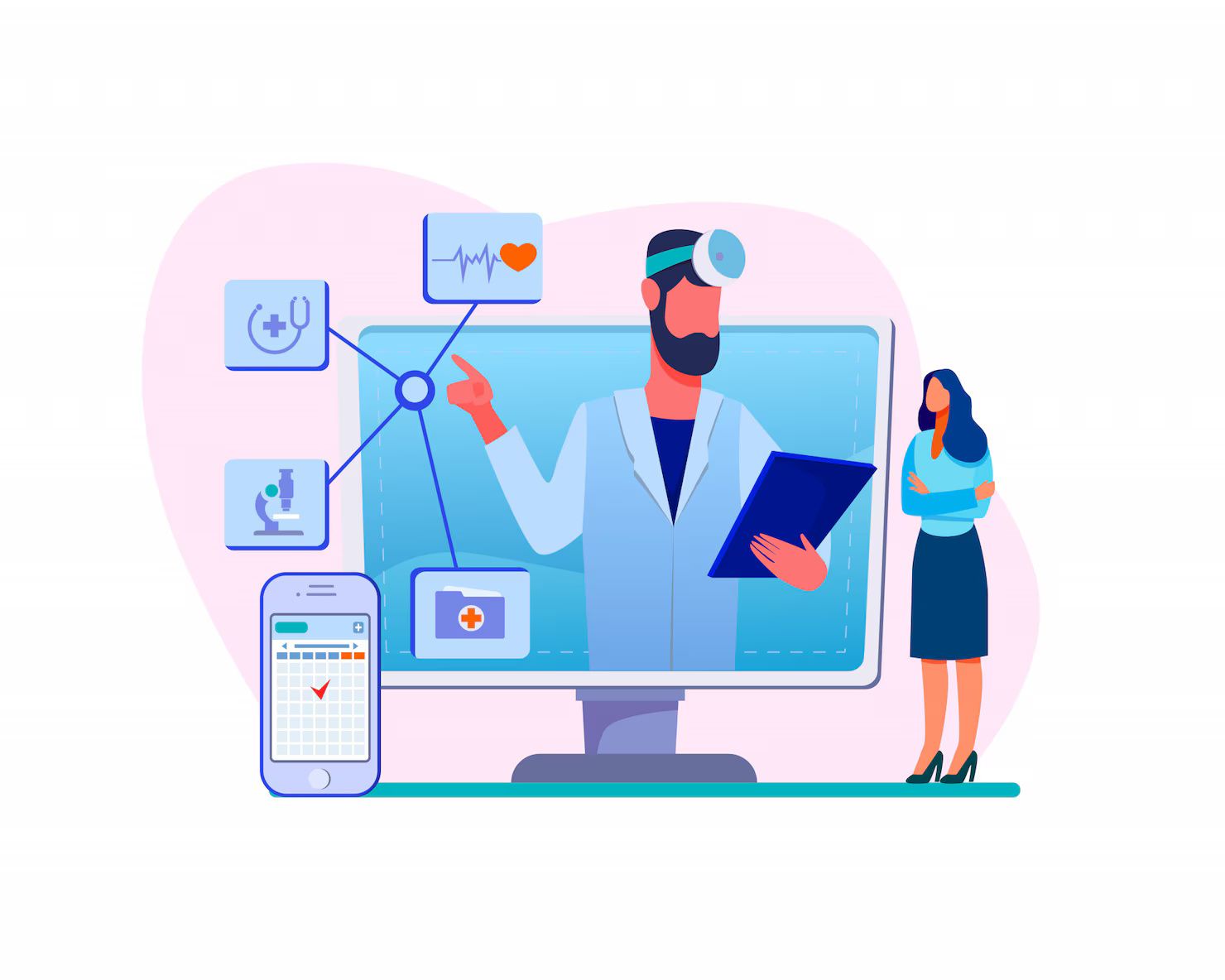
Modern healthcare tools refer to digital and technological solutions designed to improve the quality, accessibility, and efficiency of healthcare services. These tools include electronic health records, telemedicine platforms, diagnostic technologies, wearable devices, and data analytics systems. They help healthcare providers deliver better care while managing resources more effectively.
The need for modern healthcare tools has grown as healthcare systems handle increasing patient volumes, complex medical data, and evolving treatment methods. Traditional manual processes are often time-consuming and prone to errors, making digital transformation essential. These tools aim to simplify workflows, improve communication, and support informed decision-making.
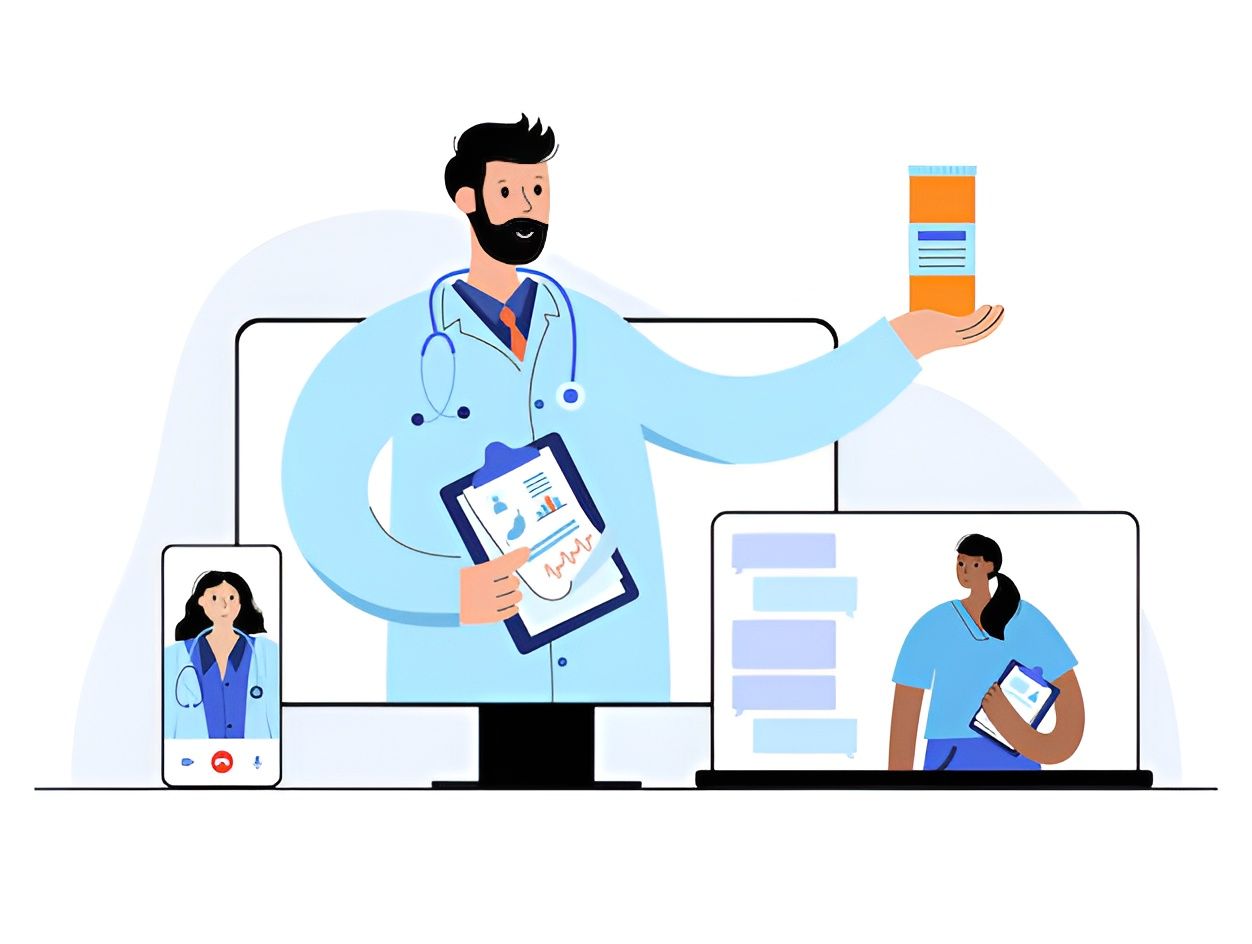
Modern healthcare tools are used by hospitals, clinics, healthcare professionals, and patients. They play a vital role in improving healthcare delivery and ensuring that services are more responsive and efficient.
Context
Healthcare systems have evolved significantly with the introduction of digital technologies. Earlier, patient records were maintained on paper, and communication between departments was often slow. Today, healthcare tools enable real-time data sharing and coordinated care.
Modern healthcare tools typically include:
Electronic health records for storing patient data
Telemedicine platforms for remote consultations
Diagnostic tools for accurate and timely detection
Wearable devices for continuous health monitoring
Data analytics systems for insights and decision support
These tools are integrated into healthcare systems to create a connected environment where information flows seamlessly between providers and patients.
A simplified structure of modern healthcare systems is shown below:
| Component | Description |
|---|---|
| Data Systems | Store and manage patient information |
| Communication Tools | Enable interaction between patients and providers |
| Diagnostic Devices | Support medical testing and analysis |
| Monitoring Tools | Track patient health in real time |
| Analytics Platforms | Provide insights for decision-making |
This structure supports efficient and coordinated healthcare delivery.
Importance
Modern healthcare tools are important because they improve patient outcomes, enhance efficiency, and support better healthcare management. In a rapidly changing healthcare environment, these tools help address challenges related to access, accuracy, and coordination.
One of the key benefits is improved patient care. Healthcare providers can access accurate and up-to-date information, enabling better diagnosis and treatment decisions.
Other important advantages include:
Faster and more accurate medical services
Improved communication between patients and providers
Reduced administrative workload
Enhanced monitoring of patient health
Better resource management within healthcare facilities
These tools also help solve common challenges such as delayed diagnoses, fragmented records, and limited access to care.
The impact across different stakeholders can be summarized below:
| Stakeholder | Benefit |
|---|---|
| Patients | Better access to care and information |
| Healthcare Providers | Improved efficiency and decision-making |
| Hospitals | Streamlined operations and data management |
| Administrators | Enhanced planning and resource allocation |
By improving these areas, modern healthcare tools contribute to a more effective healthcare system.
Recent Updates
Modern healthcare tools have seen rapid advancements in recent times, driven by technological innovation and changing healthcare needs.
One major trend is the use of artificial intelligence in diagnostics and decision support. AI systems can analyze large datasets to assist healthcare professionals in identifying patterns and making informed decisions.
Another development is the expansion of telemedicine. Remote consultations have become more common, allowing patients to access healthcare services without visiting physical facilities.
Wearable technology has also advanced, enabling continuous monitoring of health metrics such as heart rate and activity levels. These devices provide valuable data for preventive care.
Recent updates observed include:
Increased use of AI in diagnostics and clinical decision support (2025–2026)
Expansion of telemedicine and remote healthcare services
Growth of wearable health monitoring devices
Integration of healthcare systems with data analytics platforms
Enhanced focus on patient-centered digital solutions
These updates reflect a shift toward more connected and data-driven healthcare systems.
Laws or Policies
Modern healthcare tools are influenced by laws and policies related to data protection, patient privacy, and healthcare standards. These regulations ensure that patient information is handled securely and ethically.
Healthcare organizations must comply with data privacy laws that govern how patient data is collected, stored, and shared. These laws often require consent and transparency.
Key policy considerations include:
Patient data protection and privacy regulations
Security standards for digital health systems
Compliance with healthcare guidelines and protocols
Ethical considerations in the use of technology
Governments and regulatory bodies also promote digital health initiatives to improve healthcare accessibility and efficiency.
The relationship between policies and healthcare tools can be summarized below:
| Policy Area | Impact on Healthcare Tools |
|---|---|
| Data Privacy | Ensures secure handling of patient data |
| Cybersecurity | Protects healthcare systems from threats |
| Compliance | Aligns tools with medical standards |
| Governance | Supports ethical use of technology |
Understanding these policies helps ensure responsible implementation of healthcare technologies.
Tools and Resources
There are various tools and resources available to support modern healthcare systems. These tools help healthcare providers deliver services more effectively and improve patient outcomes.
Common categories of tools include:
Electronic health record systems
Telemedicine platforms
Diagnostic and imaging tools
Wearable health devices
Data analytics and reporting systems
Examples of widely used tools include:
Electronic health record platforms for managing patient data
Telemedicine applications for remote consultations
Diagnostic software for medical analysis
Wearable devices for health monitoring
Analytics platforms for healthcare insights
Supporting resources include:
Training programs for healthcare professionals
Guidelines for digital health implementation
Online platforms for patient education
Community forums for knowledge sharing
Government portals for healthcare updates
A comparison of key tools is shown below:
| Tool Type | Purpose | Use Case |
|---|---|---|
| EHR Systems | Manage patient records | Clinical data management |
| Telemedicine Tools | Remote consultations | Patient communication |
| Diagnostic Tools | Medical analysis | Disease detection |
| Wearable Devices | Health monitoring | Preventive care |
| Analytics Platforms | Data insights | Decision support |
Selecting appropriate tools depends on healthcare needs, infrastructure, and system integration.
FAQs
What are modern healthcare tools
They are digital and technological solutions used to improve healthcare services, patient care, and operational efficiency.
How do these tools improve patient care
They provide accurate data, enable timely diagnosis, and support better communication between patients and healthcare providers.
What is telemedicine
Telemedicine is the use of digital platforms to provide healthcare services remotely, allowing patients to consult with healthcare professionals online.
Are healthcare tools secure
Most systems include security features to protect patient data, but proper implementation and compliance with regulations are essential.
Who benefits from modern healthcare tools
Patients, healthcare providers, hospitals, and administrators all benefit from improved efficiency and better healthcare outcomes.
Final Thoughts
Modern healthcare tools have transformed the way healthcare services are delivered, making them more efficient, accessible, and patient-centered. By integrating technology into healthcare systems, these tools support better decision-making and improved patient outcomes.
As advancements continue, healthcare tools are becoming more intelligent and interconnected. Innovations such as artificial intelligence, wearable devices, and telemedicine are shaping the future of healthcare.
Understanding modern healthcare tools helps individuals and organizations adapt to changing healthcare environments and make better use of available resources. As the demand for efficient and effective healthcare grows, these tools will remain essential in supporting quality care and operational excellence.