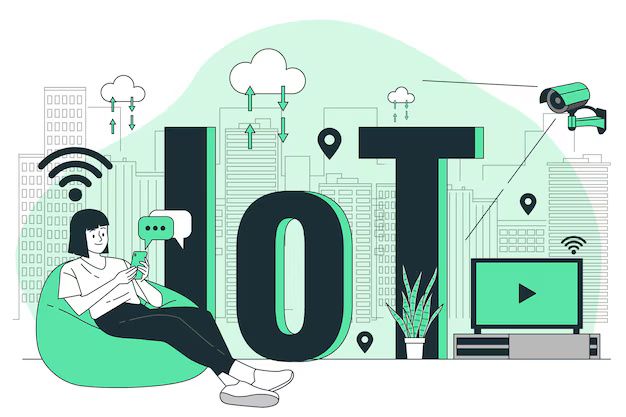
IoT sensor networks are systems of interconnected devices that collect, transmit, and analyze data from physical environments. These sensors are embedded in machines, infrastructure, or natural settings to monitor conditions such as temperature, humidity, motion, pressure, and location. The collected data is then sent to centralized platforms for analysis and decision-making.
The concept of IoT sensor networks exists to bridge the gap between the physical and digital world. By enabling continuous data collection, these systems allow organizations to observe real-time conditions and respond more effectively. They are widely used in industries such as agriculture, healthcare, manufacturing, transportation, and smart cities.
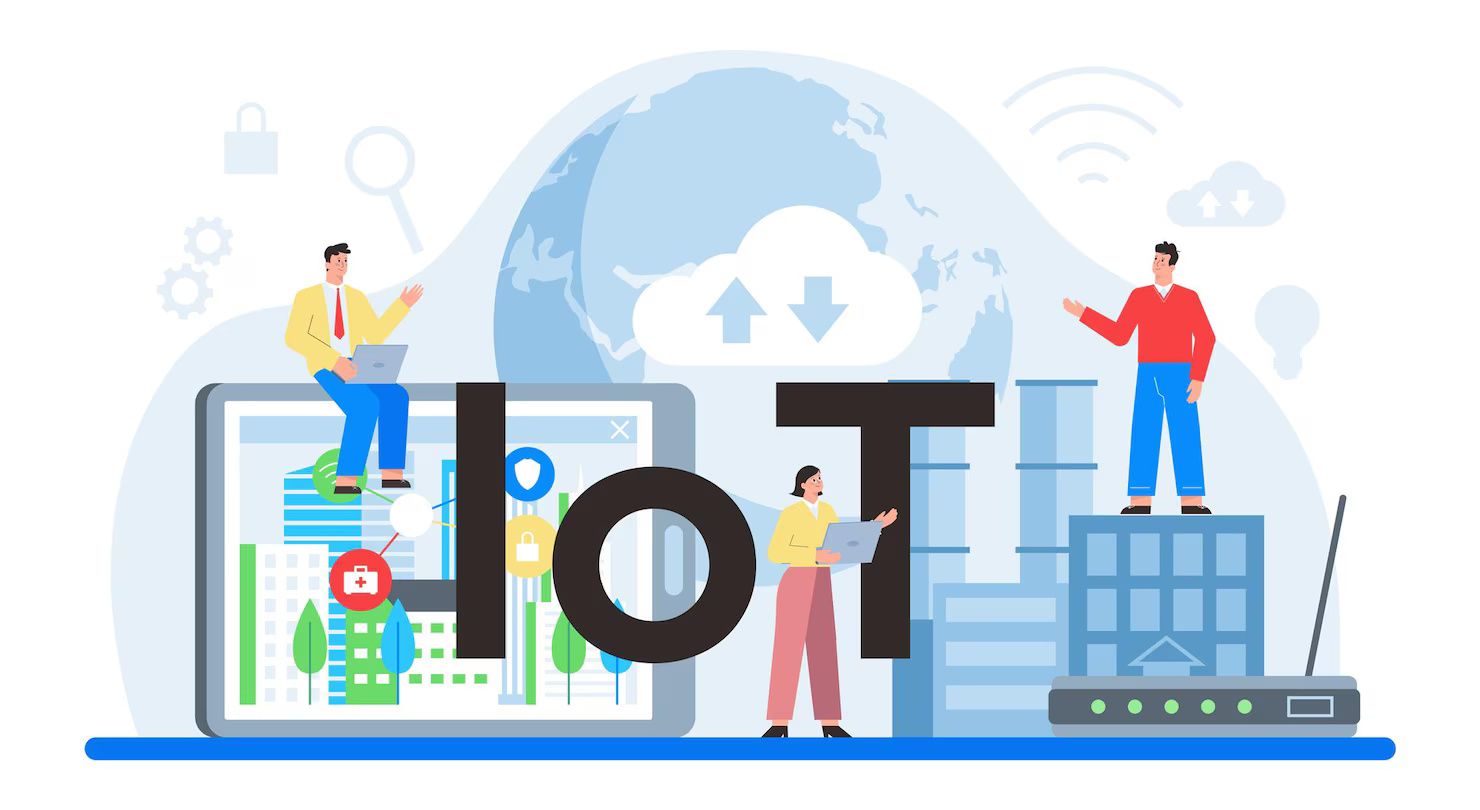
IoT sensor networks typically consist of sensors, communication technologies, data processing systems, and user interfaces. Together, these components create a connected ecosystem that supports efficient monitoring and automation.
Context
The development of IoT sensor networks is closely tied to advancements in wireless communication, cloud computing, and embedded systems. As technology evolved, it became possible to connect multiple devices and gather data at scale.
IoT sensors are designed to detect specific environmental or operational parameters. These sensors communicate with gateways or networks, which then transfer the data to cloud-based or local systems for processing.
Common functions of IoT sensor networks include:
Monitoring environmental conditions in real time
Collecting operational data from machines and systems
Detecting anomalies or unusual patterns
Supporting automated responses and alerts
Enabling data-driven decision-making
These systems are used in a wide range of applications, from tracking air quality in cities to monitoring equipment performance in factories.
A simplified structure of an IoT sensor network is shown below:
| Component | Description |
|---|---|
| Sensors | Collect data from the environment |
| Communication Layer | Transfers data between devices |
| Data Processing | Analyzes and stores collected data |
| User Interface | Displays insights and reports |
| Control Systems | Enables automated actions based on data |
This structure ensures efficient data flow and system coordination.
Importance
IoT sensor networks are important because they enable continuous monitoring and accurate data collection, which are essential for informed decision-making. In many industries, real-time data helps improve efficiency, safety, and resource management.
One of the main benefits is improved visibility. Organizations can monitor systems and environments without constant manual intervention. This leads to better understanding and quicker responses to changes.
Other key advantages include:
Real-time insights into operations and conditions
Improved efficiency through automation
Early detection of issues and anomalies
Enhanced safety in critical environments
Better resource management and planning
IoT sensor networks also help address challenges such as lack of real-time data, delayed responses, and inefficient monitoring processes.
The impact across different sectors can be summarized below:
| Sector | Benefit |
|---|---|
| Agriculture | Monitoring soil and weather conditions |
| Healthcare | Tracking patient data and equipment usage |
| Manufacturing | Monitoring machine performance |
| Smart Cities | Managing traffic and environmental data |
| Logistics | Tracking location and movement of goods |
By supporting these applications, IoT sensor networks contribute to more efficient and responsive systems.
Recent Updates
IoT sensor networks have seen significant advancements in recent times, driven by improvements in connectivity, data processing, and device capabilities.
One major trend is the expansion of edge computing. Instead of sending all data to centralized systems, some processing is now done closer to the source. This reduces latency and improves response times.
Another development is the integration of artificial intelligence. AI algorithms are used to analyze sensor data, identify patterns, and generate insights automatically.
Connectivity technologies have also improved, with the adoption of faster and more reliable communication standards. These advancements support larger and more complex IoT networks.
Recent updates observed include:
Increased use of edge computing for faster data processing (2025–2026)
Integration of AI for predictive analysis and automation
Expansion of advanced connectivity technologies such as low-power networks
Growth of smart city and industrial IoT applications
Enhanced security measures for connected devices
These updates highlight the shift toward more intelligent and scalable IoT systems.
Laws or Policies
IoT sensor networks are influenced by laws and policies related to data privacy, cybersecurity, and communication standards. Since these systems collect and transmit data, compliance with regulations is essential.
Organizations must follow data protection laws that govern how information is collected, stored, and used. This includes ensuring that personal or sensitive data is handled securely.
Key policy considerations include:
Data privacy and protection regulations
Cybersecurity standards for connected devices
Communication and spectrum usage guidelines
Compliance with industry-specific regulations
Governments and regulatory bodies often provide frameworks to ensure safe and responsible use of IoT technologies.
The relationship between policies and IoT sensor networks can be summarized below:
| Policy Area | Impact on IoT Systems |
|---|---|
| Data Privacy | Ensures responsible handling of data |
| Cybersecurity | Protects networks from unauthorized access |
| Communication Rules | Regulates device connectivity |
| Compliance | Aligns systems with legal requirements |
Understanding these policies helps organizations deploy IoT systems responsibly.
Tools and Resources
There are various tools and resources available to support the development and management of IoT sensor networks. These tools help in device management, data analysis, and system integration.
Common categories of tools include:
IoT platforms for device connectivity and management
Data analytics tools for processing sensor data
Cloud services for storage and scalability
Monitoring dashboards for real-time insights
Development kits for building IoT solutions
Examples of widely used tools include:
Arduino and Raspberry Pi for prototyping IoT devices
AWS IoT and Azure IoT for cloud-based management
Google Cloud IoT for data processing and analytics
Node-RED for workflow automation
Grafana for data visualization
Supporting resources include:
Online tutorials and documentation
Developer communities and forums
Technical guides for IoT architecture
Open-source libraries and frameworks
Training programs for IoT development
A comparison of key tools is shown below:
| Tool | Key Feature | Use Case |
|---|---|---|
| Arduino | Hardware prototyping | Sensor-based projects |
| Raspberry Pi | Edge computing capabilities | Local data processing |
| AWS IoT | Cloud device management | Large-scale IoT systems |
| Node-RED | Visual workflow design | Automation and integration |
| Grafana | Data visualization | Monitoring dashboards |
Selecting appropriate tools depends on the scale, complexity, and application of the IoT network.
FAQs
What are IoT sensor networks
IoT sensor networks are systems of connected devices that collect and transmit data from physical environments for analysis and monitoring.
How do IoT sensors collect data
Sensors detect specific parameters such as temperature or motion and send this data to connected systems for processing.
Where are IoT sensor networks used
They are used in industries such as agriculture, healthcare, manufacturing, transportation, and smart cities.
What is the role of edge computing in IoT
Edge computing processes data closer to the source, reducing delays and improving response times.
Are IoT sensor networks secure
Security depends on proper implementation, including encryption, authentication, and compliance with cybersecurity standards.
Final Thoughts
IoT sensor networks have become a key component of modern technology, enabling continuous monitoring and data-driven decision-making. By connecting physical systems to digital platforms, they provide valuable insights and improve operational efficiency.
As technology advances, IoT systems are becoming more intelligent, scalable, and secure. Innovations such as edge computing and artificial intelligence are enhancing their capabilities and expanding their applications.
Understanding IoT sensor networks helps organizations and individuals make better use of data, improve system performance, and adapt to evolving technological environments. As the demand for real-time monitoring continues to grow, these networks will play an increasingly important role in shaping the future of connected systems.