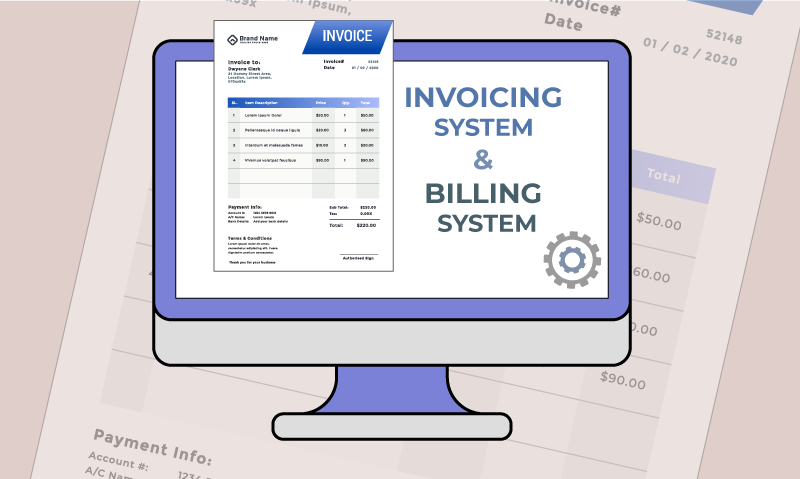
Invoice Software refers to digital tools used to create, manage, and track invoices in a structured and automated way. An invoice is a document that records transactions between a provider and a client, detailing items, quantities, and payment terms. Traditionally, invoices were created manually using paper or basic spreadsheets, which often required significant time and effort.
As businesses and independent professionals began handling more transactions, manual billing processes became difficult to manage. Errors in calculations, missing records, and delays in tracking payments were common challenges. This led to the development of Invoice Software, which simplifies billing by automating repetitive tasks and organizing financial data.
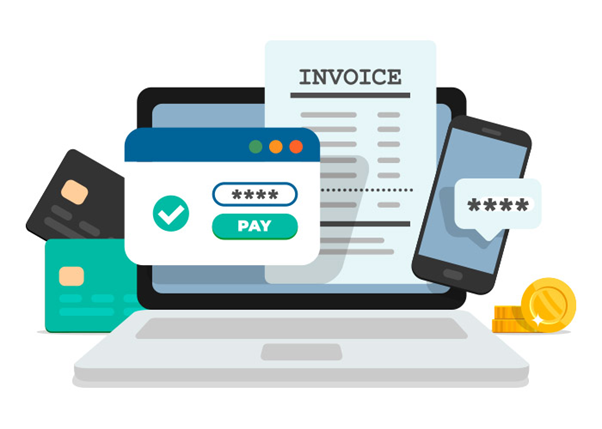
Modern Invoice Software allows users to generate invoices, store records, monitor payment status, and maintain consistency across billing processes. These tools are used by freelancers, small businesses, and large organizations across various industries.
By digitizing billing operations, Invoice Software supports better financial organization and reduces the complexity associated with manual record-keeping.
Importance
Invoice Software is important because it helps improve accuracy, efficiency, and organization in financial processes. Managing invoices manually can lead to errors, delays, and difficulty in tracking transactions, especially as the volume of work increases.
One key benefit is accuracy. Automated calculations reduce the chances of errors in totals, taxes, and other financial details. This helps ensure that records are consistent and reliable.
Another important aspect is time efficiency. Tasks such as creating invoices, sending reminders, and tracking payments can be automated, allowing users to focus on other responsibilities.
Invoice Software addresses several common challenges:
- Reducing manual errors, by automating calculations and data entry.
- Organizing financial records, through centralized storage and categorization.
- Tracking payments, by monitoring invoice status and due dates.
- Improving documentation, by maintaining clear and structured records.
For everyday users, this leads to smoother financial management and better clarity in transactions.
Recent Updates
Recent developments in Invoice Software reflect advancements in automation, artificial intelligence, and digital integration. One notable trend is the use of AI-assisted features. These tools can automatically categorize transactions, detect inconsistencies, and suggest corrections.
Another trend is real-time data synchronization. Invoice Software can now integrate with accounting systems and financial platforms, ensuring that data is updated instantly across systems.
Mobile accessibility has also improved. Many tools allow users to create and manage invoices using mobile devices, making billing more flexible and accessible.
There is also increased focus on customization. Users can design invoice templates that match their requirements, including layout, fields, and formatting.
Additionally, cloud-based platforms have become more common. These systems enable users to access financial data from different locations, supporting remote work and collaboration.
Laws or Policies
Invoice Software is influenced by financial regulations and tax policies that govern how transactions are recorded and reported. These laws ensure transparency and compliance in financial activities.
In India, the Goods and Services Tax (GST) framework plays a significant role in invoicing practices. Businesses are required to include specific details in invoices, such as GST identification numbers, tax rates, and transaction values.
Other relevant regulatory aspects include:
- Digital record-keeping requirements, ensuring that financial data is stored securely and can be accessed when needed.
- Tax compliance rules, requiring accurate calculation and reporting of taxes.
- Audit requirements, which may involve maintaining detailed transaction records.
- Data protection laws, ensuring that financial and personal information is handled securely.
Invoice Software helps users comply with these regulations by automating calculations and maintaining structured records.
Tools and Resources
Various tools and resources support Invoice Software, helping users manage billing processes effectively. These tools provide features that simplify invoice creation, tracking, and reporting.
Common types of tools include:
- Invoice generation platforms, which create structured invoices with predefined templates.
- Accounting software, which integrates invoicing with broader financial management.
- Payment tracking systems, which monitor incoming payments and outstanding balances.
- Reporting tools, which generate summaries of financial activity.
- Cloud-based platforms, which store and share data across devices.
Below is a table summarizing key features commonly found in Invoice Software:
| Feature | Description |
|---|---|
| Invoice Creation | Generates invoices with customizable templates |
| Automated Calculations | Calculates totals, taxes, and adjustments |
| Payment Tracking | Monitors invoice status and payment progress |
| Data Storage | Stores records for easy access and organization |
| Reporting Tools | Provides financial summaries and insights |
| Integration | Connects with accounting and financial systems |
Examples of commonly used platforms include Zoho Invoice, QuickBooks, FreshBooks, and Tally. These tools support different levels of functionality depending on user needs.
Educational resources such as tutorials, financial guides, and documentation also help users understand how to use Invoice Software effectively.
FAQs
What is Invoice Software and how does it work?
Invoice Software is a digital tool used to create and manage invoices. It works by automating calculations, organizing records, and tracking payment status.
Why is Invoice Software important for businesses?
Invoice Software helps improve accuracy, reduce manual errors, and streamline billing processes. It also makes it easier to track financial transactions.
Can Invoice Software handle tax calculations?
Yes, most tools include automated tax calculation features based on applicable rules, helping ensure compliance with regulations.
Is Invoice Software suitable for small businesses?
Yes, it can be used by businesses of all sizes. Smaller organizations benefit from improved organization and efficiency in billing.
How does Invoice Software improve financial accuracy?
By automating calculations and maintaining structured records, Invoice Software reduces errors and ensures consistent financial data.
Conclusion
Invoice Software plays an important role in simplifying billing and improving financial accuracy. It automates key processes, organizes records, and supports compliance with regulations. Advances in technology have made these tools more accessible and efficient. Understanding how Invoice Software works helps individuals and organizations manage financial activities more effectively.