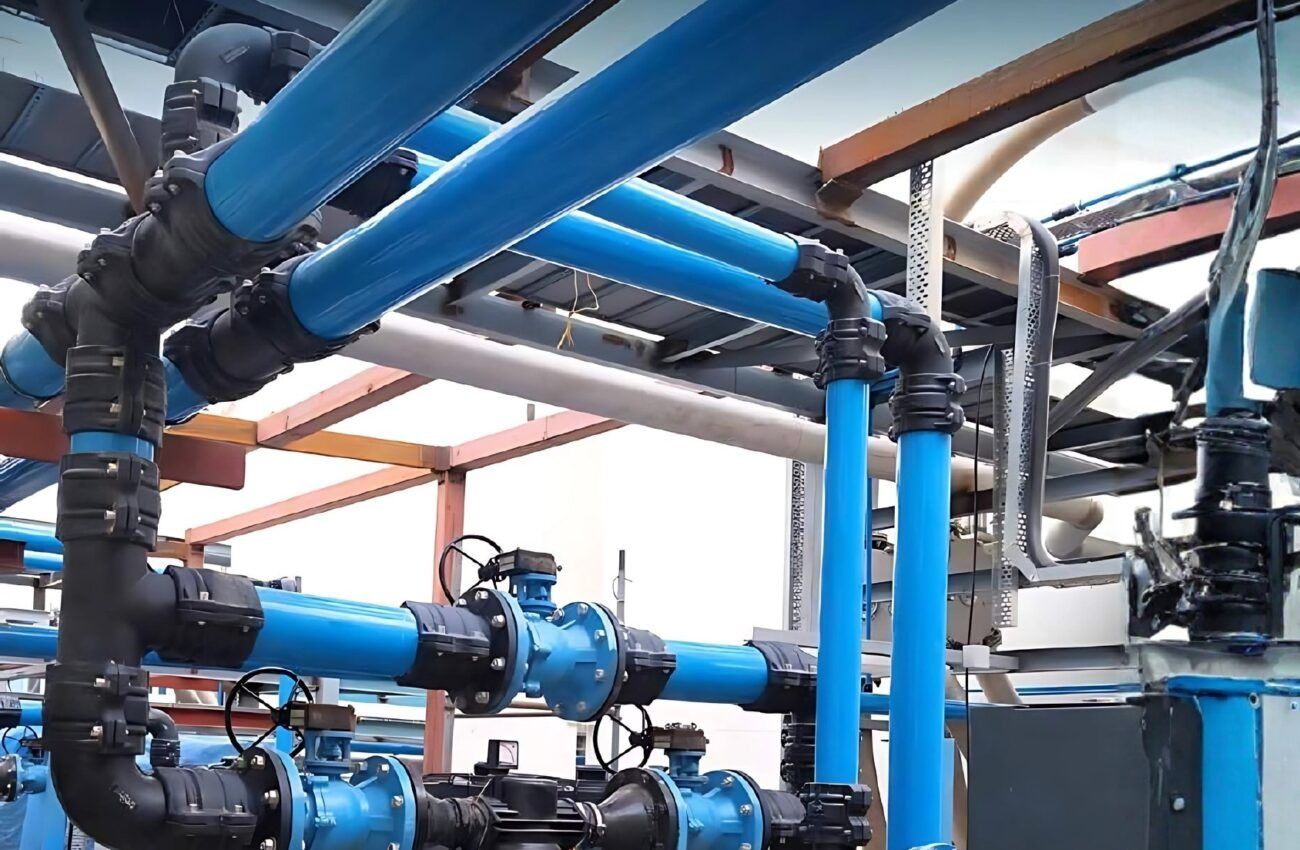
Industrial piping systems are structured networks of pipes, fittings, valves, and support components designed to transport fluids such as water, chemicals, gases, and oil within industrial environments. These systems are essential for maintaining continuous operations by ensuring that fluids move safely and efficiently between different parts of a facility.
The purpose of industrial piping systems is to support processes that rely on controlled fluid movement. Industries such as manufacturing, energy, chemical processing, and water treatment depend heavily on these systems to maintain workflow and operational stability. Without properly designed piping systems, fluid transport can become inefficient, unsafe, or inconsistent.
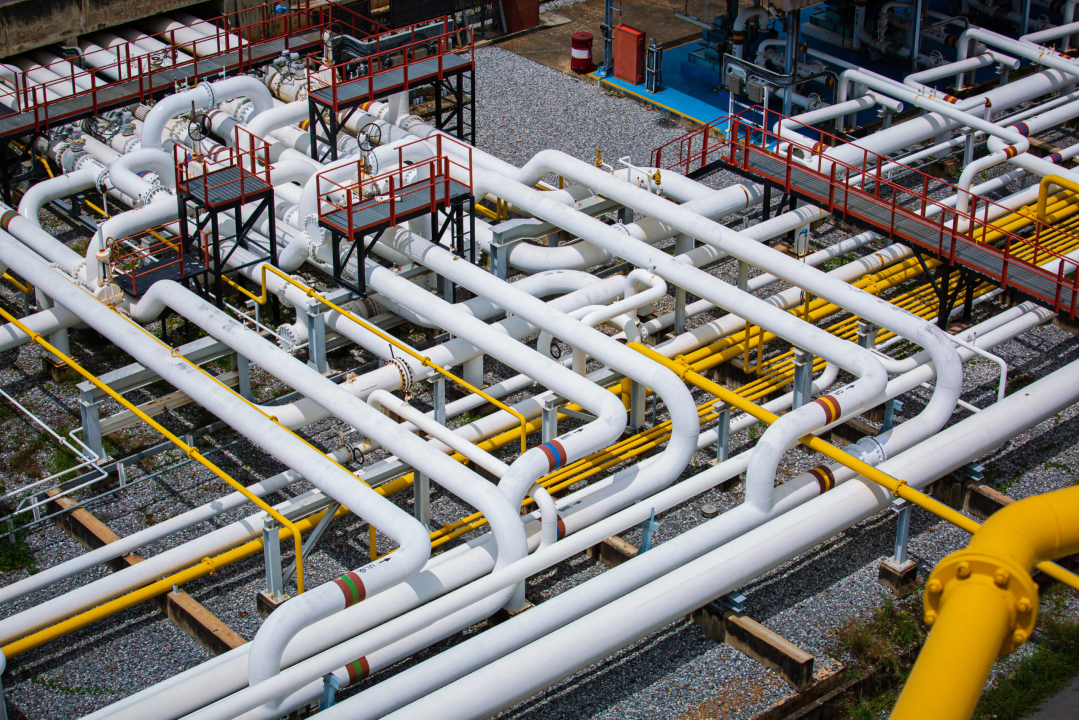
Industrial piping systems are engineered based on factors such as pressure, temperature, fluid type, and environmental conditions. This ensures that the system performs reliably under varying operational demands.
Context
The development of industrial piping systems has evolved alongside industrial growth and technological advancement. Early systems were simple and limited in capacity, but modern piping networks are complex and highly engineered.
A typical industrial piping system includes:
Pipes that carry fluids
Valves that control flow and pressure
Fittings that connect different sections
Pumps that move fluids through the system
Support structures that maintain stability
These components work together to create a controlled and efficient fluid transport system.
Common functions of industrial piping systems include:
Transporting liquids and gases across facilities
Regulating flow and pressure
Supporting heating and cooling processes
Managing waste and drainage systems
Enabling chemical and industrial processes
A simplified overview of piping system components is shown below:
| Component | Description |
|---|---|
| Pipes | Carry fluids between locations |
| Valves | Control flow and pressure |
| Fittings | Connect and direct pipe sections |
| Pumps | Facilitate fluid movement |
| Supports | Maintain structural integrity |
This structure ensures consistent and safe fluid transport.
Importance
Industrial piping systems are important because they enable efficient and reliable movement of fluids, which is essential for many industrial operations. Properly designed systems ensure that processes run smoothly and safely.
One of the key benefits is operational efficiency. Piping systems allow fluids to be transported quickly and accurately, reducing delays and improving productivity.
Other important advantages include:
Safe handling of hazardous and non-hazardous fluids
Consistent flow for industrial processes
Reduced risk of leaks and system failures
Support for large-scale operations
Improved maintenance and monitoring capabilities
Industrial piping systems also address challenges such as fluid loss, pressure imbalance, and inefficient transport.
The impact across different industries can be summarized below:
| Industry | Role of Piping Systems |
|---|---|
| Oil and Gas | Transport of crude oil and natural gas |
| Chemical Processing | Movement of chemicals within facilities |
| Manufacturing | Support for production processes |
| Water Treatment | Distribution and treatment of water |
| Energy | Circulation of fluids in power systems |
By supporting these industries, piping systems contribute to efficient and reliable operations.
Recent Updates
Industrial piping systems have seen several advancements in recent times, focusing on efficiency, durability, and digital integration.
One major trend is the use of smart monitoring systems. Sensors are now integrated into piping networks to track pressure, temperature, and flow in real time. This helps detect issues early and improve maintenance.
Another development is the use of advanced materials. New materials are being used to enhance durability, reduce corrosion, and improve performance under extreme conditions.
Automation has also increased, with piping systems being integrated into centralized control systems for better management.
Recent updates observed include:
Adoption of smart sensors for real-time monitoring (2025–2026)
Use of advanced materials for improved durability
Integration with automated control systems
Focus on energy-efficient fluid transport
Development of predictive maintenance technologies
These updates reflect a move toward more intelligent and resilient piping systems.
Laws or Policies
Industrial piping systems are influenced by laws and policies related to safety, environmental protection, and industrial standards. These regulations ensure that systems are designed and operated responsibly.
Key policy areas include:
Safety standards for installation and operation
Environmental regulations for fluid handling and disposal
Industry-specific guidelines for piping design
Compliance requirements for inspections and maintenance
Organizations must follow these regulations to ensure safe and efficient operations.
The relationship between policies and piping systems can be summarized below:
| Policy Area | Impact on Piping Systems |
|---|---|
| Safety Standards | Ensures secure system design and operation |
| Environmental Rules | Prevents leaks and environmental damage |
| Compliance | Maintains adherence to regulations |
| Inspection Rules | Supports regular system evaluation |
Understanding these policies helps organizations maintain safe and compliant systems.
Tools and Resources
There are various tools and resources available to support the design, operation, and maintenance of industrial piping systems. These tools help improve efficiency and reliability.
Common categories of tools include:
Piping design and simulation software
Flow and pressure calculation tools
Monitoring and control systems
Maintenance and inspection tools
Training resources for engineers and operators
Examples of useful tools and resources include:
CAD software for piping design
Simulation tools for system analysis
Digital monitoring platforms for real-time data
Maintenance management systems
Technical manuals and industry standards
A comparison of key resources is shown below:
| Resource Type | Purpose | Use Case |
|---|---|---|
| Design Software | Plan and model piping systems | Engineering development |
| Simulation Tools | Analyze system performance | Optimization |
| Monitoring Systems | Track real-time conditions | Predictive maintenance |
| Maintenance Tools | Support inspections and repairs | System reliability |
| Training Resources | Build technical knowledge | Workforce development |
Using these tools helps ensure efficient and effective piping system management.
FAQs
What are industrial piping systems
They are networks of pipes and components used to transport fluids within industrial facilities.
Why are piping systems important
They ensure efficient and safe movement of fluids, supporting various industrial processes.
What materials are used in piping systems
Materials vary depending on application and may include metals and specialized industrial materials.
How are piping systems maintained
They are maintained through regular inspections, monitoring, and preventive maintenance.
Can piping systems be automated
Yes, modern systems can be integrated with automated controls and monitoring technologies.
Final Thoughts
Industrial piping systems are a fundamental part of modern industrial infrastructure, enabling efficient and reliable fluid transport. Their role in supporting operations across multiple sectors makes them essential for productivity and safety.
With advancements in technology, piping systems are becoming more intelligent and durable. Features such as real-time monitoring and advanced materials are improving performance and reducing risks.
Understanding industrial piping systems helps organizations design better infrastructure, maintain operational efficiency, and ensure compliance with safety standards. As industries continue to evolve, these systems will remain a critical component of efficient fluid management.