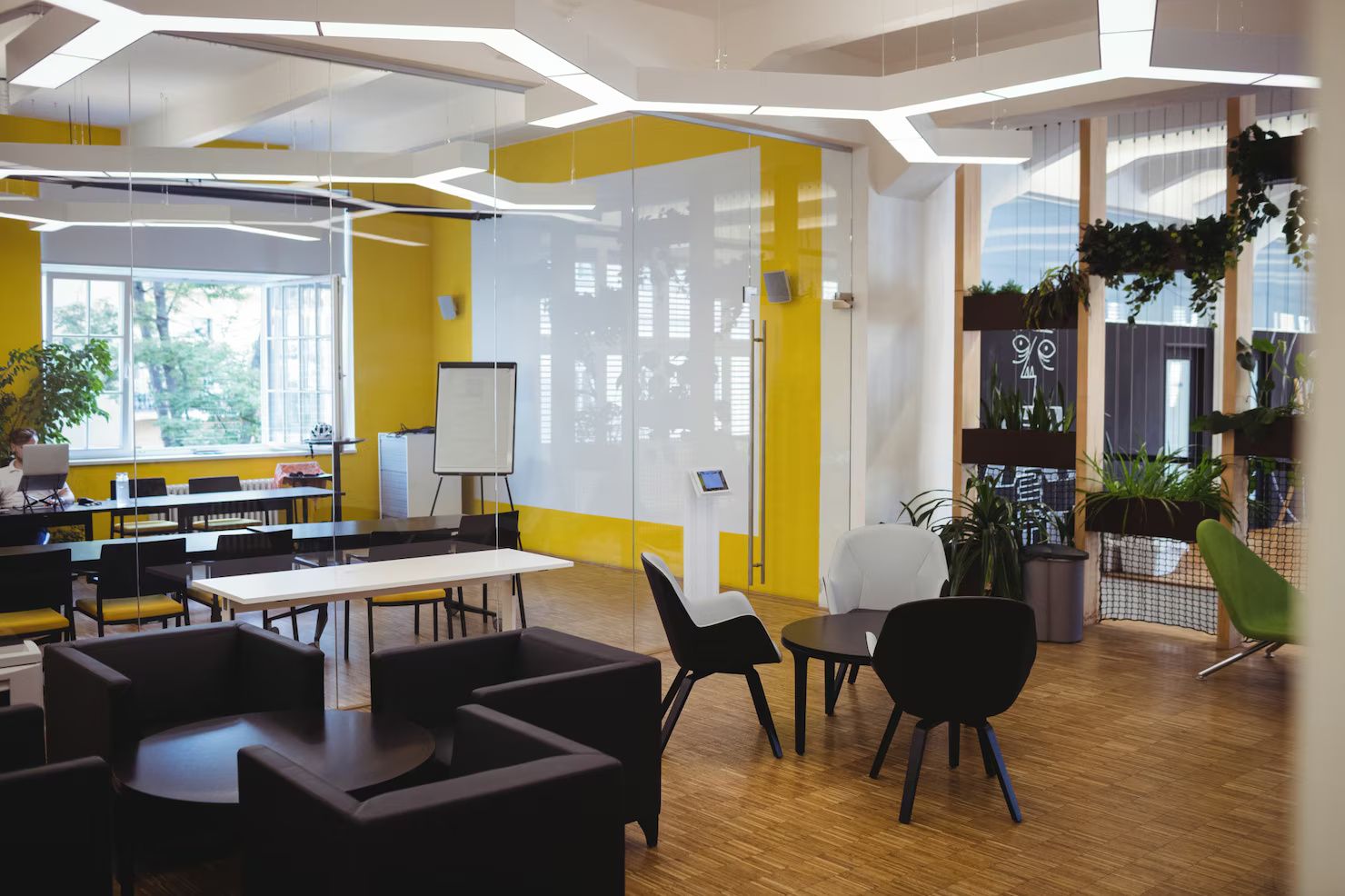
Co working spaces are shared work environments where individuals from different organizations, professions, or industries work independently or collaboratively in a common setting. These spaces are designed to provide flexible work arrangements while offering access to essential office facilities such as desks, meeting rooms, internet connectivity, and collaborative areas.
The concept of co working spaces emerged as a response to changing work patterns, including remote work, freelancing, and startup culture. Traditional office setups often lacked flexibility, while working from home could lead to distractions or isolation. Co working spaces bridge this gap by offering a structured yet adaptable work environment.
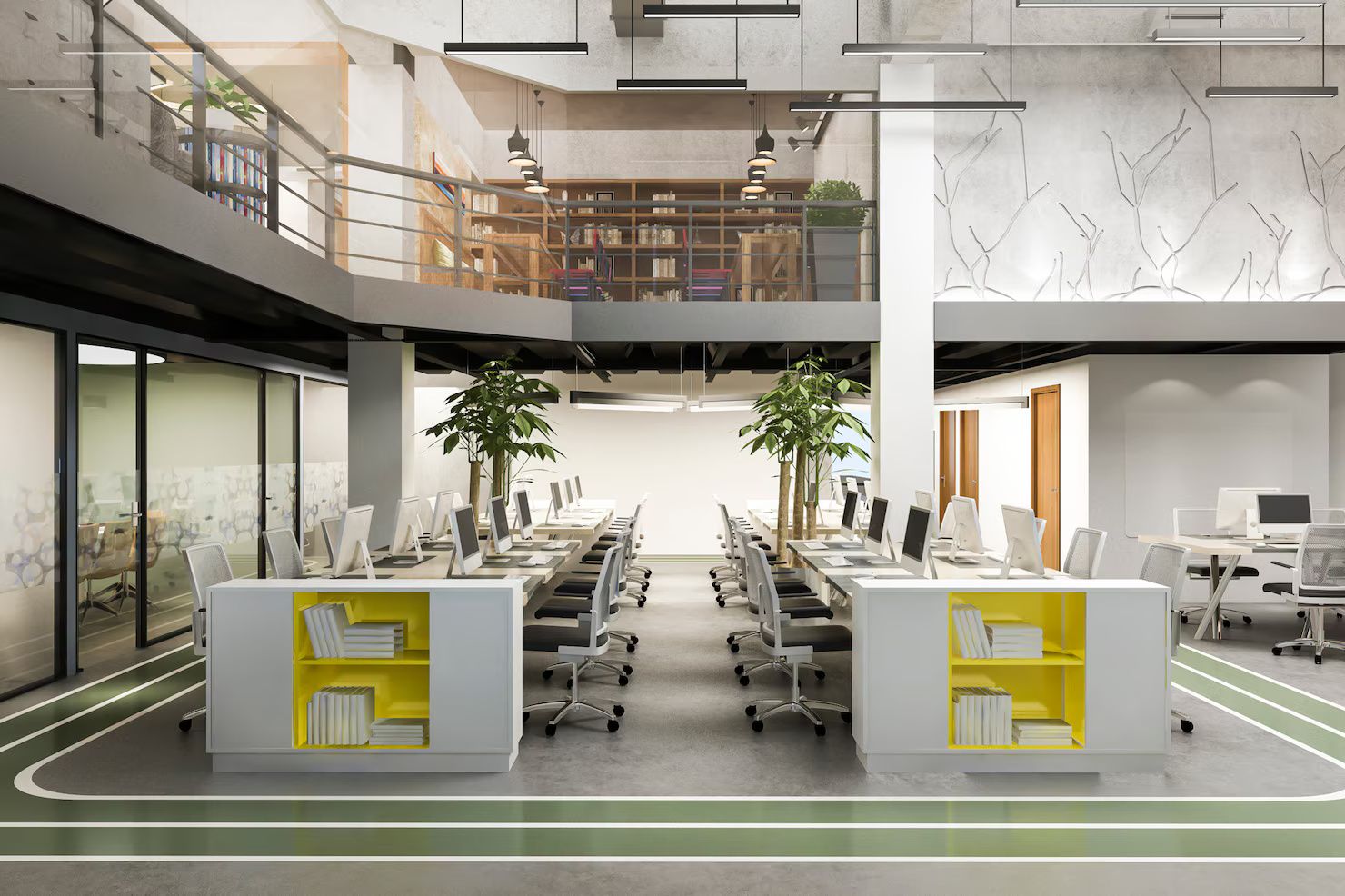 These spaces cater to a wide range of users, including freelancers, entrepreneurs, small teams, and even larger organizations adopting hybrid work models. By combining flexibility with professional infrastructure, co working spaces support modern work needs.
Context
The growth of co working spaces is closely linked to the evolution of work culture. With the rise of digital tools and remote work capabilities, employees are no longer required to work from a fixed office location. This shift has created demand for alternative workspaces that are both flexible and functional.
Co working spaces are designed to accommodate different working styles. They typically include:
Open seating areas for individual work
Private cabins for focused tasks
Meeting rooms for discussions and collaboration
Shared amenities such as internet, printing, and refreshments
Community areas for networking and interaction
These environments encourage both productivity and collaboration. Users can work independently while also having opportunities to connect with others.
A general structure of co working spaces is shown below:
| Area Type | Purpose |
|---|---|
| Open Workspace | Flexible seating for individual work |
| Private Offices | Focused work for teams or individuals |
| Meeting Rooms | Discussions and presentations |
| Common Areas | Networking and informal interactions |
| Support Facilities | Internet, utilities, and shared services |
This structure allows users to choose work settings based on their needs.
Importance
Co working spaces play an important role in supporting productivity and flexibility in modern work environments. As work patterns continue to evolve, these spaces provide solutions to challenges faced by remote workers and organizations.
One of the key benefits is improved productivity. Co working spaces offer a professional environment that reduces distractions often associated with working from home. At the same time, they provide flexibility that traditional offices may lack.
Other important advantages include:
Flexible work arrangements for individuals and teams
Opportunities for networking and collaboration
Access to professional infrastructure without long-term commitments
Improved work-life balance through structured environments
Exposure to diverse industries and ideas
Co working spaces also help address challenges such as isolation, lack of collaboration, and limited access to resources.
The impact on different user groups can be summarized below:
| User Group | Benefit |
|---|---|
| Freelancers | Structured workspace and networking |
| Startups | Access to infrastructure and collaboration |
| Remote Workers | Reduced isolation and improved focus |
| Organizations | Flexible workspace for distributed teams |
By supporting these groups, co working spaces contribute to a more dynamic and adaptable work ecosystem.
Recent Updates
Co working spaces have seen several developments in the past year as work trends continue to evolve.
One major trend is the rise of hybrid work models. Many organizations are combining remote work with shared office spaces, leading to increased use of co working environments. These spaces are being redesigned to support both individual work and team collaboration.
Technology integration has also improved. Co working spaces now include advanced connectivity, smart booking systems, and digital access controls to enhance user experience.
Another development is the focus on well-being. Many spaces are incorporating features such as ergonomic furniture, quiet zones, and wellness areas to support productivity and comfort.
Recent updates observed include:
Increased adoption of hybrid work models using co working spaces (2025–2026)
Integration of smart workspace technologies
Expansion of wellness-focused design elements
Growth of community-driven work environments
Enhanced digital platforms for space management and booking
These updates reflect a shift toward more flexible, user-centered, and technology-enabled workspaces.
Laws or Policies
Co working spaces are influenced by laws and policies related to workplace safety, labor regulations, and building standards. These regulations ensure that shared work environments are safe and compliant.
Key policy areas include:
Health and safety regulations for workplace environments
Building and occupancy standards
Data privacy considerations for shared networks
Local business and operational guidelines
Operators of co working spaces must ensure compliance with these regulations to provide a safe and secure environment for users. This includes maintaining proper infrastructure, ensuring safety measures, and protecting user data.
The relationship between policies and co working spaces can be summarized below:
| Policy Area | Impact on Co Working Spaces |
|---|---|
| Safety Standards | Ensures secure and healthy work environment |
| Building Rules | Defines infrastructure requirements |
| Data Privacy | Protects user information on shared networks |
| Compliance | Aligns operations with local regulations |
Understanding these policies helps maintain trust and reliability in shared workspaces.
Tools and Resources
There are various tools and resources available to enhance the co working experience and improve productivity. These tools support communication, collaboration, and workspace management.
Common categories of tools include:
Workspace booking and management platforms
Communication and collaboration tools
Productivity and task management apps
Internet and connectivity solutions
Community engagement platforms
Examples of widely used tools include:
Slack for team communication
Microsoft Teams for collaboration and meetings
Google Workspace for document management
Trello for task organization
Zoom for virtual meetings
Supporting resources include:
Workspace scheduling systems
Productivity templates and planners
Networking events and community programs
Online guides for remote and flexible work
Digital platforms for managing shared spaces
A comparison of key tools is shown below:
| Tool | Key Feature | Use Case |
|---|---|---|
| Slack | Real-time messaging | Team communication |
| Microsoft Teams | Integrated collaboration | Meetings and coordination |
| Google Workspace | Cloud-based document management | File sharing and editing |
| Trello | Task tracking | Project organization |
| Zoom | Video communication | Virtual meetings |
Using these tools helps individuals and teams maximize the benefits of co working environments.
FAQs
What are co working spaces
Co working spaces are shared work environments where individuals and teams work independently or collaboratively using common facilities.
How do co working spaces improve productivity
They provide a structured and professional environment that reduces distractions and supports focused work.
Who can use co working spaces
They are suitable for freelancers, startups, remote workers, and organizations seeking flexible work arrangements.
Do co working spaces support collaboration
Yes, they encourage interaction and networking through shared spaces and community activities.
Are co working spaces suitable for long-term use
They can be used for both short-term and long-term work, depending on individual or organizational needs.
Final Thoughts
Co working spaces have become an important part of modern work culture, offering flexibility, collaboration, and access to professional environments. They address the limitations of traditional offices and remote work by providing a balanced workspace solution.
As work trends continue to evolve, co working spaces are adapting with new technologies, improved designs, and enhanced user experiences. These developments make them more relevant for individuals and organizations seeking adaptable work environments.
Understanding how co working spaces function helps users make better decisions about their work setups and productivity strategies. As flexibility and connectivity remain key priorities, co working spaces are likely to play an ongoing role in shaping the future of work.