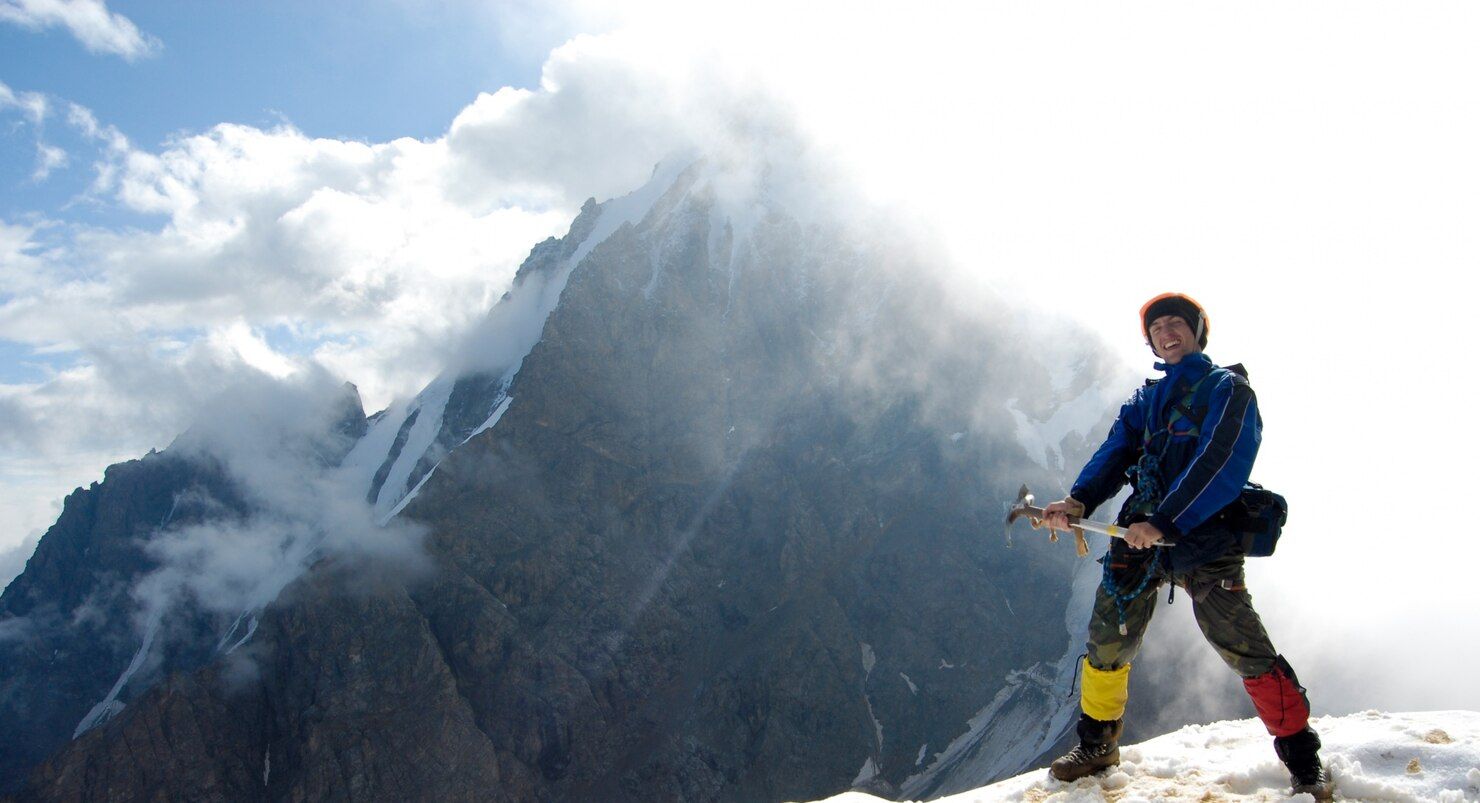
Himalayan mountain adventures refer to travel experiences that involve exploring the Himalayan region through activities such as trekking, hiking, camping, and cultural exploration. The Himalayas, stretching across several countries including India, Nepal, Bhutan, and Tibet, are known for their natural beauty, diverse ecosystems, and cultural richness.
These adventures are popular among travelers seeking outdoor experiences, scenic landscapes, and personal challenges. However, due to the region’s geographical complexity and varying weather conditions, careful planning is essential. Well-planned Himalayan trips help travelers navigate terrain safely, manage time effectively, and fully enjoy the experience.
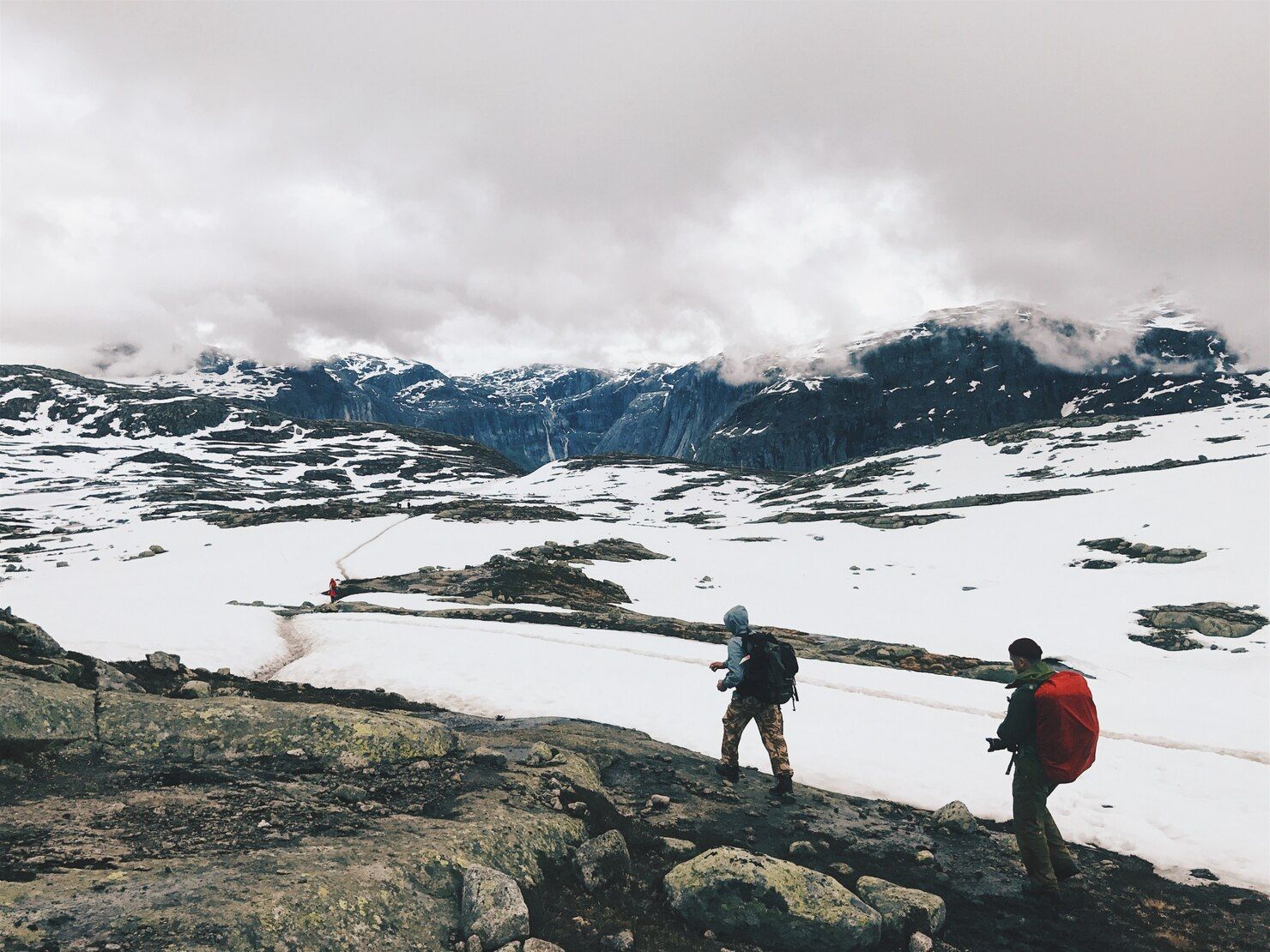
Planning involves selecting suitable routes, understanding weather patterns, arranging permits, and preparing for altitude conditions. With proper preparation, Himalayan travel can become more organized, safe, and rewarding.
Context
The concept of Himalayan travel has evolved over time, from traditional pilgrimage routes to structured adventure tourism. Today, travelers have access to a wide range of trekking routes, guided tours, and travel resources that make exploration more accessible.
Himalayan adventures typically include:
Trekking through mountain trails
Camping in high-altitude regions
Visiting remote villages and cultural sites
Exploring natural features such as glaciers, rivers, and forests
Participating in guided expeditions
These activities require preparation due to factors such as altitude, weather changes, and terrain conditions. Travelers often need to plan logistics such as transportation, accommodation, and safety measures.
A general structure of a Himalayan travel plan is shown below:
| Planning Element | Description |
|---|---|
| Destination चयन | Selection of trekking route or region |
| Itinerary Planning | Scheduling travel days and activities |
| Permits | Obtaining required permissions |
| Gear Preparation | Packing essential equipment |
| Safety Measures | Preparing for altitude and weather risks |
This structured approach helps ensure a smoother travel experience.
Importance
Well-planned Himalayan adventures are important because they enhance safety, improve travel efficiency, and allow travelers to fully experience the region. The Himalayas present unique challenges, and proper planning helps address these effectively.
One of the key benefits is improved safety. Understanding terrain, weather conditions, and altitude risks helps travelers avoid common issues such as fatigue, dehydration, or navigation difficulties.
Other important advantages include:
Better time management during travel
Enhanced comfort through proper preparation
Reduced risk of unexpected disruptions
Improved cultural understanding through planned visits
More meaningful and organized travel experiences
Planning also helps solve challenges such as limited accessibility, unpredictable weather, and lack of local knowledge.
The impact on different types of travelers can be summarized below:
| Traveler Type | Benefit |
|---|---|
| Solo Travelers | Increased safety and confidence |
| Adventure Seekers | Better preparation for challenging routes |
| Families | Organized and comfortable travel experience |
| Cultural Travelers | Structured exploration of local traditions |
By addressing these needs, planned Himalayan adventures provide a more reliable and enjoyable journey.
Recent Updates
Himalayan travel has seen several developments in the past year, influenced by changes in tourism practices and environmental awareness.
One major trend is the focus on sustainable tourism. Authorities and organizations are encouraging responsible travel practices to protect the fragile mountain ecosystem. This includes waste management initiatives and limits on visitor numbers in certain areas.
Digital tools have also improved travel planning. Travelers now use mobile apps for navigation, weather updates, and itinerary management, making trips more organized and informed.
Infrastructure improvements have been observed in some regions, including better connectivity and enhanced trekking facilities. These developments aim to support safe and efficient travel.
Recent updates observed include:
Increased emphasis on eco-friendly trekking practices (2025–2026)
Use of digital tools for route planning and safety monitoring
Improved infrastructure in selected trekking regions
Expansion of guided and community-based tourism programs
Greater awareness of altitude safety and preparedness
These updates reflect a shift toward more responsible and well-managed Himalayan travel experiences.
Laws or Policies
Himalayan travel is influenced by various laws and policies related to tourism, environmental protection, and safety. These regulations are designed to preserve natural resources and ensure the safety of travelers.
Key policy areas include:
Permit requirements for trekking and restricted areas
Environmental regulations to protect ecosystems
Safety guidelines for high-altitude travel
Local tourism rules and community guidelines
Travelers are often required to obtain permits before entering certain regions. These permits help authorities monitor visitor numbers and maintain ecological balance.
The relationship between policies and Himalayan travel can be summarized below:
| Policy Area | Impact on Travel |
|---|---|
| Permit Systems | Regulates access to specific regions |
| Environmental Rules | Protects natural landscapes |
| Safety Guidelines | Ensures traveler well-being |
| Local Regulations | Supports community-based tourism |
Understanding these policies helps travelers plan responsibly and avoid disruptions during their journey.
Tools and Resources
There are various tools and resources available to help travelers plan and manage Himalayan adventures effectively. These tools provide information, navigation support, and safety guidance.
Common categories of tools include:
Travel planning and itinerary apps
Navigation and mapping tools
Weather forecasting platforms
Packing and checklist templates
Community forums and travel guides
Examples of useful tools and resources include:
Google Maps and offline navigation apps for route tracking
Weather apps for real-time updates
Trekking guides and digital travel books
Packing checklists for high-altitude travel
Online communities for traveler experiences
Supporting resources include:
Local tourism websites for guidelines and updates
Safety manuals for trekking and altitude awareness
Travel blogs and informational platforms
Community-based tourism programs
Emergency contact and support systems
A comparison of key tools is shown below:
| Tool Type | Purpose | Use Case |
|---|---|---|
| Navigation Apps | Route tracking and location guidance | Trekking navigation |
| Weather Tools | Forecasting conditions | Trip planning and safety |
| Planning Templates | Organizing travel details | Itinerary management |
| Travel Guides | Providing information and insights | Destination research |
| Community Forums | Sharing experiences | Learning from other travelers |
Using these tools helps travelers stay informed and prepared throughout their journey.
FAQs
What are Himalayan mountain adventures
They are travel experiences that involve exploring the Himalayan region through activities such as trekking, hiking, and cultural visits.
Why is planning important for Himalayan travel
Planning helps ensure safety, manage time effectively, and prepare for challenges such as altitude and weather conditions.
Do travelers need permits for Himalayan trips
Yes, certain regions require permits to regulate access and protect the environment.
What should be included in a travel plan
A plan should include destination selection, itinerary, permits, gear preparation, and safety measures.
Are Himalayan adventures suitable for beginners
Some routes are beginner-friendly, but proper preparation and guidance are important for a safe experience.
Final Thoughts
Himalayan mountain adventures offer unique opportunities to explore natural landscapes, experience cultural diversity, and challenge personal limits. However, the complexity of the region makes planning an essential part of the journey.
Well-planned travel helps improve safety, enhance comfort, and ensure a more meaningful experience. With the support of modern tools, updated infrastructure, and responsible tourism practices, travelers can navigate the Himalayas more effectively.
Understanding how to plan Himalayan adventures allows individuals to make informed decisions, prepare for challenges, and fully appreciate the beauty and diversity of the region. As interest in mountain travel continues to grow, thoughtful planning will remain key to a successful and enjoyable experience.