Chemical Dosing Systems are equipment setups designed to add controlled amounts of chemicals into a process at specific intervals or continuously. These systems are widely used in industries such as water treatment, manufacturing, agriculture, and food processing, where precise chemical application is essential.
The concept of dosing chemicals dates back to early industrial practices, where manual methods were used to mix substances. These methods often relied on human judgment, which could lead to inconsistencies. As industries expanded and processes became more complex, the need for accurate and repeatable dosing increased.
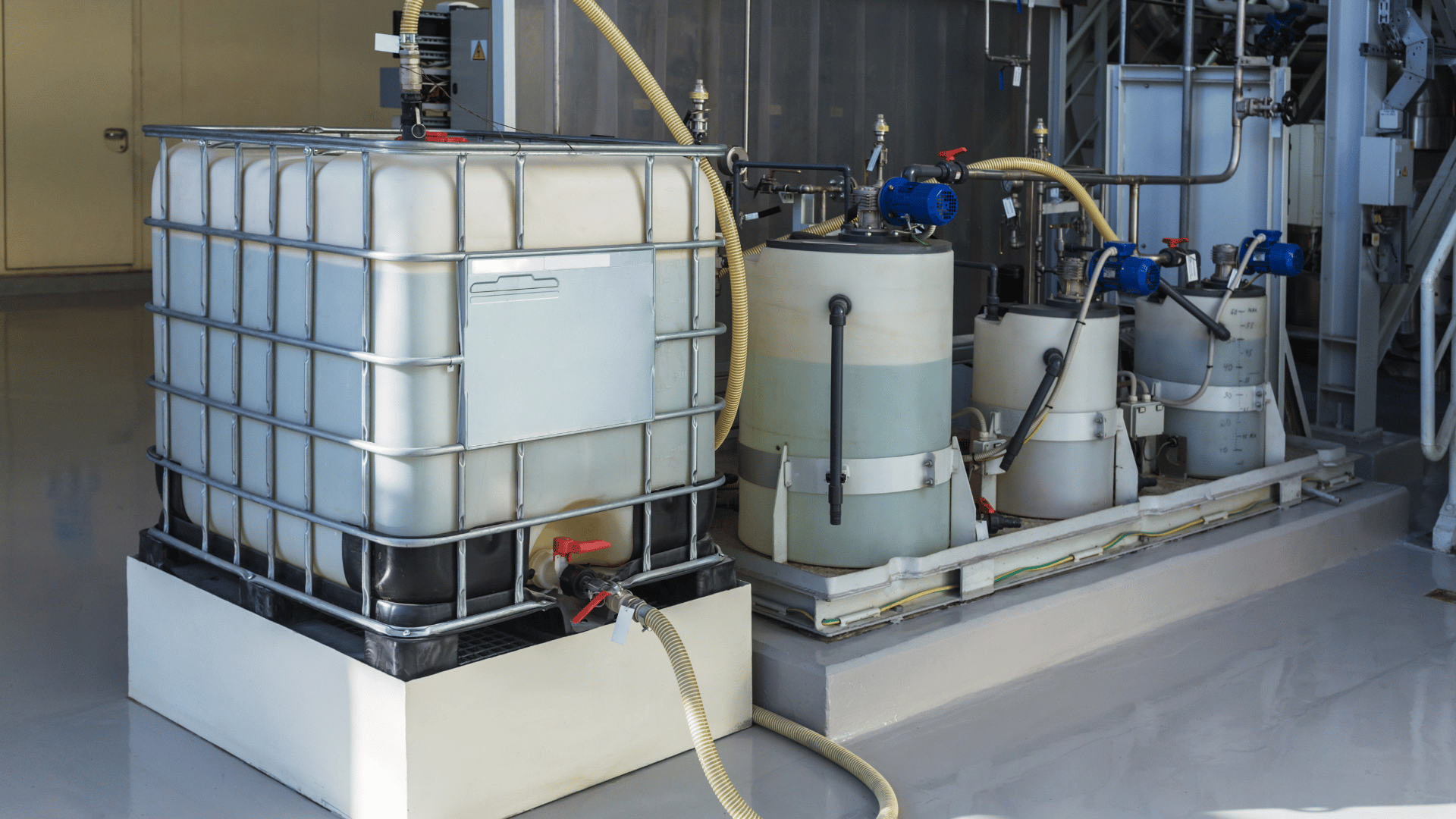
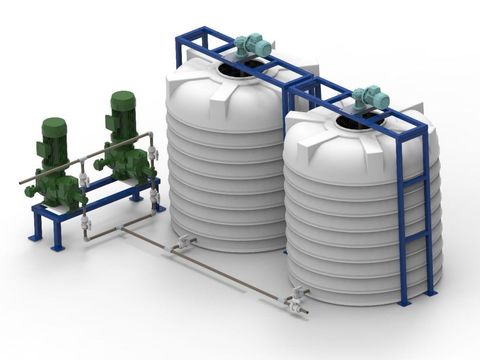
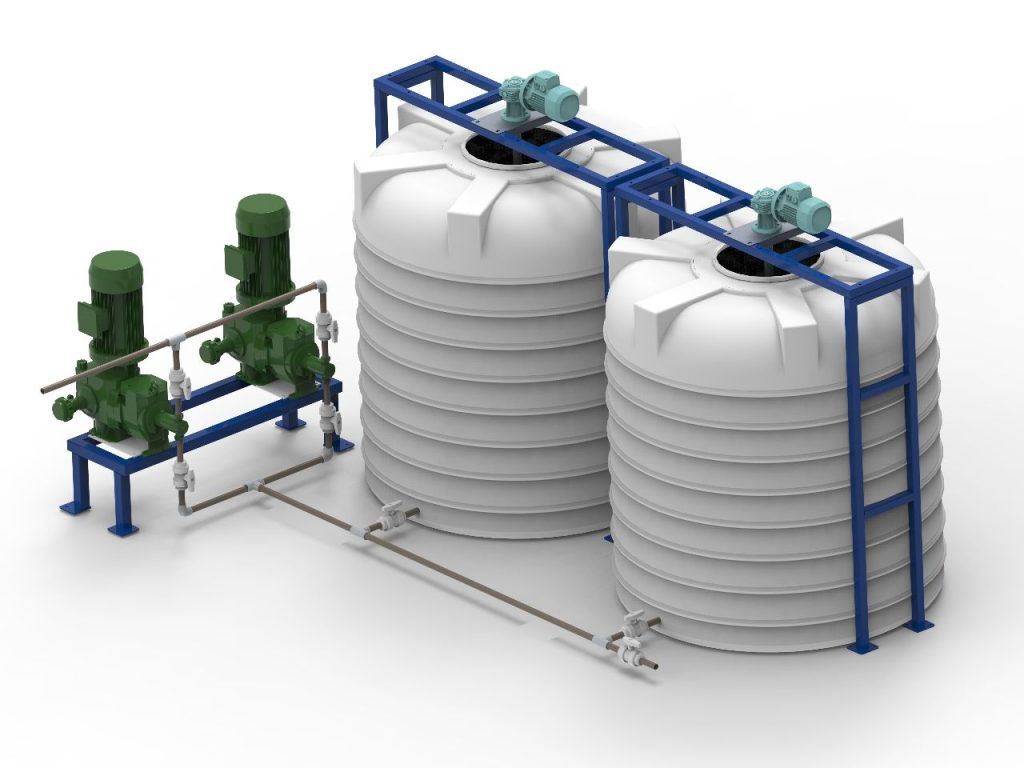
Chemical Dosing Systems were developed to address these challenges. They combine pumps, storage tanks, control units, and monitoring devices to deliver chemicals in measured quantities. These systems can be programmed to operate automatically, reducing the need for manual intervention.
Today, Chemical Dosing Systems are an integral part of many processes that require controlled chemical input. They help maintain consistency, improve safety, and support efficient operations across various applications.
Importance
Chemical Dosing Systems are important because they ensure that the correct amount of chemicals is used in a process. Accurate dosing is essential for maintaining quality, safety, and efficiency.
One key benefit is precision. These systems are designed to deliver exact quantities, which helps maintain consistent results. For example, in water treatment, precise dosing ensures that water is treated effectively without overuse of chemicals.
Another important aspect is reliability. Automated systems reduce the chances of human error and ensure that dosing occurs at the right time and in the right amount.
Chemical Dosing Systems address several practical challenges:
- Maintaining consistency, by delivering uniform chemical quantities in every cycle.
- Reducing waste, through controlled and accurate dosing.
- Improving safety, by minimizing direct handling of chemicals.
- Supporting process stability, by ensuring proper chemical balance.
For everyday users, these systems contribute to safer drinking water, cleaner environments, and consistent product quality.
Recent Updates
Recent developments in Chemical Dosing Systems reflect advancements in automation, digital control, and monitoring technologies. One notable trend is the integration of smart sensors. These sensors can measure parameters such as flow rate, pH levels, and chemical concentration in real time.
Another trend is the use of automated control systems. Modern dosing systems can adjust chemical input based on changing conditions, ensuring more accurate and responsive operation.
Remote monitoring has also become more common. Operators can track system performance and make adjustments using digital interfaces, even from different locations.
Energy efficiency is another area of focus. Newer systems are designed to optimize power usage while maintaining performance.
In addition, there is growing emphasis on compact and modular designs. These systems are easier to install and adapt to different operational requirements.
Laws or Policies
Chemical Dosing Systems are regulated by laws and policies related to environmental protection, industrial safety, and quality standards. These regulations ensure that chemicals are used responsibly and that processes meet safety requirements.
In India, organizations such as the Central Pollution Control Board (CPCB) and State Pollution Control Boards set guidelines for chemical usage and discharge. These guidelines influence how dosing systems are designed and operated, particularly in water treatment and industrial applications.
Other relevant regulatory aspects include:
- Environmental standards, which limit the discharge of harmful substances into water and air.
- Workplace safety regulations, ensuring safe handling and storage of chemicals.
- Quality control requirements, maintaining consistency in production processes.
- Equipment compliance standards, ensuring that systems operate safely and reliably.
These policies help ensure that Chemical Dosing Systems are used in a way that protects both people and the environment.
Tools and Resources
Various tools and resources support the operation and maintenance of Chemical Dosing Systems. These tools help ensure accurate dosing and efficient system performance.
Common components include:
- Dosing pumps, which control the flow of chemicals into the system.
- Storage tanks, which hold chemicals before they are dispensed.
- Flow meters, which measure the rate of liquid movement.
- Control panels, which allow operators to set and adjust dosing parameters.
- Sensors, which monitor conditions such as pH, pressure, and concentration.
Below is a table summarizing key components of Chemical Dosing Systems:
| Component | Description |
|---|---|
| Dosing Pump | Delivers precise amounts of chemicals |
| Storage Tank | Stores chemicals safely before use |
| Flow Meter | Measures liquid flow rate |
| Control System | Manages timing and quantity of dosing |
| Sensors | Monitor system conditions and provide feedback |
| Injection Point | Location where chemicals enter the process |
Additional resources include technical manuals, training programs, and monitoring software that help operators understand system operation and maintenance.
Digital tools such as data logging systems also assist in tracking performance and ensuring compliance with regulations.
FAQs
What are Chemical Dosing Systems and how do they work?
Chemical Dosing Systems are setups that add controlled amounts of chemicals into a process. They work by using pumps and control systems to deliver precise quantities at specific intervals or continuously.
Why are Chemical Dosing Systems important?
They are important because they ensure accurate and consistent chemical application, which helps maintain quality, safety, and efficiency in various processes.
Where are Chemical Dosing Systems commonly used?
These systems are used in water treatment, industrial manufacturing, agriculture, and food processing, among other applications.
How do Chemical Dosing Systems improve safety?
By automating the dosing process, these systems reduce the need for direct handling of chemicals, lowering the risk of exposure.
Can Chemical Dosing Systems be adjusted for different conditions?
Yes, modern systems can be configured to adjust dosing levels based on real-time data and changing process requirements.
Conclusion
Chemical Dosing Systems play a vital role in maintaining consistent and precise chemical application across various industries. They improve accuracy, reduce waste, and enhance safety through automation and monitoring. Advances in technology continue to make these systems more efficient and adaptable. Understanding their function helps explain how controlled dosing supports reliable and stable processes in everyday applications.