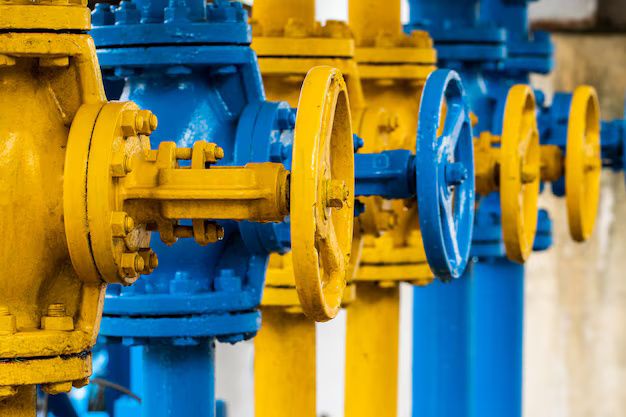
Industrial valves are mechanical devices used to control the flow and pressure of liquids, gases, and slurries within a system. They are essential components in pipelines and processing systems, enabling operators to regulate, start, stop, or redirect fluid movement. These valves are used across industries such as oil and gas, water treatment, power generation, manufacturing, and chemical processing.
The primary purpose of industrial valves is to ensure that fluid systems operate safely and efficiently. By controlling the movement of fluids, valves help maintain system stability, prevent leaks, and support operational accuracy. Without these components, managing complex fluid systems would be difficult and unreliable.
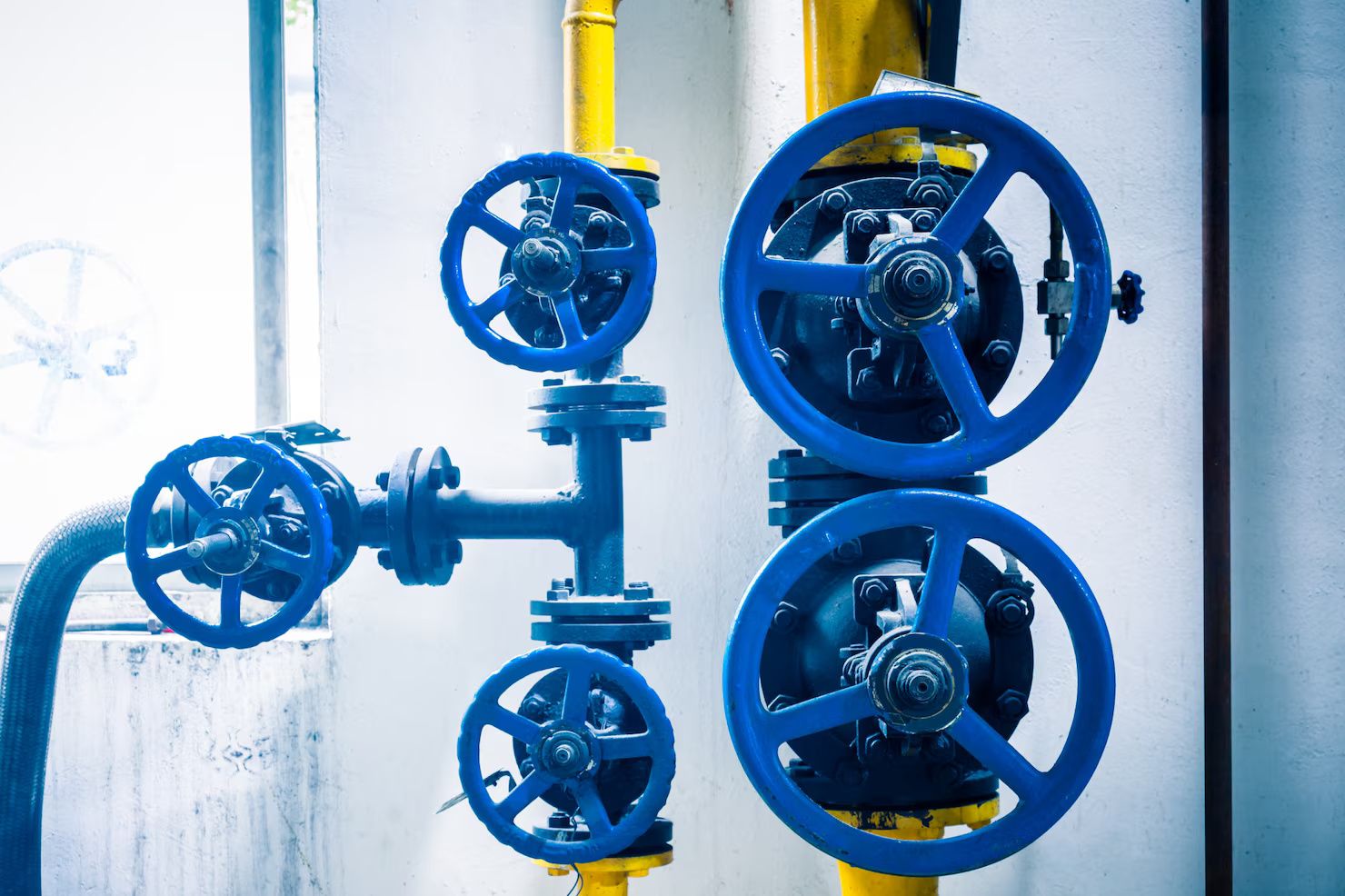
Industrial valves come in various types, including gate valves, ball valves, butterfly valves, and control valves. Each type is designed for specific applications, depending on factors such as pressure, temperature, and fluid characteristics.
Context
The use of industrial valves dates back to early engineering systems where basic mechanisms were used to control water flow. Over time, advancements in materials and design have led to the development of highly specialized valves capable of handling complex industrial requirements.
In modern systems, industrial valves are integrated into automated processes and connected with monitoring systems. They play a key role in maintaining flow control and ensuring that systems operate within defined parameters.
Common functions of industrial valves include:
Regulating fluid flow and pressure
Isolating sections of a pipeline
Preventing backflow
Controlling direction of fluid movement
Supporting safety mechanisms in critical systems
These functions are essential in industries where precise control of fluids is required for safe and efficient operations.
A simplified overview of valve functions is shown below:
| Function | Description |
|---|---|
| Flow Control | Adjusts the rate of fluid movement |
| Isolation | Stops flow for maintenance or safety |
| Direction Control | Changes the path of fluid flow |
| Pressure Regulation | Maintains system pressure levels |
| Backflow Prevention | Prevents reverse flow in pipelines |
This structured functionality ensures that industrial systems remain stable and controllable.
Importance
Industrial valves are critical for maintaining reliable fluid management systems. They ensure that fluids are transported safely and efficiently, reducing the risk of system failures and operational disruptions.
One of the key benefits of industrial valves is their role in safety. Properly functioning valves help prevent leaks, pressure buildup, and equipment damage. This is especially important in industries dealing with hazardous or high-pressure materials.
Other important advantages include:
Improved control over fluid systems
Enhanced operational efficiency
Reduced risk of system downtime
Support for maintenance and inspection activities
Increased reliability of industrial processes
Industrial valves also help address challenges such as uncontrolled flow, pressure imbalances, and system inefficiencies.
The impact across different industries can be summarized below:
| Industry | Role of Industrial Valves |
|---|---|
| Oil and Gas | Controls flow in pipelines and processing |
| Water Treatment | Regulates water distribution and filtration |
| Power Generation | Manages steam and cooling systems |
| Manufacturing | Supports production and material handling |
| Chemical Processing | Ensures safe handling of reactive fluids |
By supporting these applications, industrial valves contribute to stable and efficient operations.
Recent Updates
Industrial valve technology has advanced significantly in recent times, driven by the need for automation, efficiency, and sustainability.
One major trend is the integration of smart valve systems. These valves are equipped with sensors and connected to digital monitoring platforms, allowing real-time tracking of performance and condition. This helps in predictive maintenance and reduces unexpected failures.
Another development is the use of advanced materials. Modern valves are designed using materials that can withstand extreme temperatures, pressures, and corrosive environments, improving durability and performance.
Automation has also increased, with valves being integrated into control systems for remote operation. This enhances precision and reduces the need for manual intervention.
Recent updates observed include:
Adoption of smart valves with IoT-based monitoring (2025–2026)
Increased use of corrosion-resistant and high-performance materials
Expansion of automated valve control systems
Integration with industrial data platforms for real-time insights
Focus on energy-efficient and environmentally sustainable designs
These updates reflect a shift toward more intelligent and resilient fluid management systems.
Laws or Policies
Industrial valves are subject to various laws and policies related to safety, environmental protection, and industrial standards. These regulations ensure that valves are designed, manufactured, and used in a safe and reliable manner.
Key policy areas include:
Safety standards for pressure and flow control systems
Environmental regulations to prevent leaks and emissions
Quality standards for materials and manufacturing processes
Inspection and maintenance requirements
In many countries, industries must comply with national and international standards that define valve performance and safety requirements. These standards help ensure consistency and reliability across systems.
The relationship between policies and industrial valves can be summarized below:
| Policy Area | Impact on Valve Systems |
|---|---|
| Safety Standards | Ensures reliable operation under pressure |
| Environmental Rules | Reduces risk of leaks and contamination |
| Quality Standards | Maintains consistency in manufacturing |
| Compliance | Aligns operations with regulatory guidelines |
Understanding these policies helps organizations maintain safe and compliant operations.
Tools and Resources
There are various tools and resources available to support the selection, operation, and maintenance of industrial valves. These resources help engineers and operators ensure optimal performance and reliability.
Common categories of tools include:
Valve selection guides and technical manuals
Flow and pressure calculation tools
Monitoring and control systems
Maintenance and inspection checklists
Training resources for operators
Examples of useful tools and resources include:
Engineering software for fluid dynamics analysis
Digital monitoring systems for valve performance
Industry standards documentation for compliance
Maintenance management systems for tracking inspections
Online training platforms for technical knowledge
A comparison of resource types is shown below:
| Resource Type | Purpose | Use Case |
|---|---|---|
| Selection Guides | Helps choose appropriate valve types | System design |
| Monitoring Systems | Tracks valve performance | Predictive maintenance |
| Calculation Tools | Analyzes flow and pressure | Engineering analysis |
| Maintenance Tools | Supports inspection and servicing | Operational reliability |
| Training Resources | Builds technical knowledge | Workforce development |
Using these resources helps ensure that valve systems are properly designed and maintained.
FAQs
What are industrial valves used for
Industrial valves are used to control the flow, pressure, and direction of fluids in pipelines and processing systems.
What are the main types of industrial valves
Common types include gate valves, ball valves, butterfly valves, and control valves, each designed for specific applications.
Why are industrial valves important
They ensure safe and efficient operation of fluid systems by regulating flow and preventing system failures.
How do smart valves work
Smart valves use sensors and digital systems to monitor performance and provide real-time data for better control and maintenance.
Can industrial valves be used in different industries
Yes, they are used in various industries such as oil and gas, water treatment, manufacturing, and power generation.
Final Thoughts
Industrial valves are fundamental components of modern fluid management systems, supporting safe and efficient operations across a wide range of industries. Their ability to control and regulate fluid flow makes them essential for maintaining system stability and performance.
With advancements in technology, industrial valves are becoming more intelligent and adaptable. Features such as automation and real-time monitoring are enhancing their functionality and reliability.
Understanding the role of industrial valves helps organizations design better systems, improve operational efficiency, and ensure long-term reliability. As industries continue to evolve, these components will remain a key part of effective fluid management strategies.